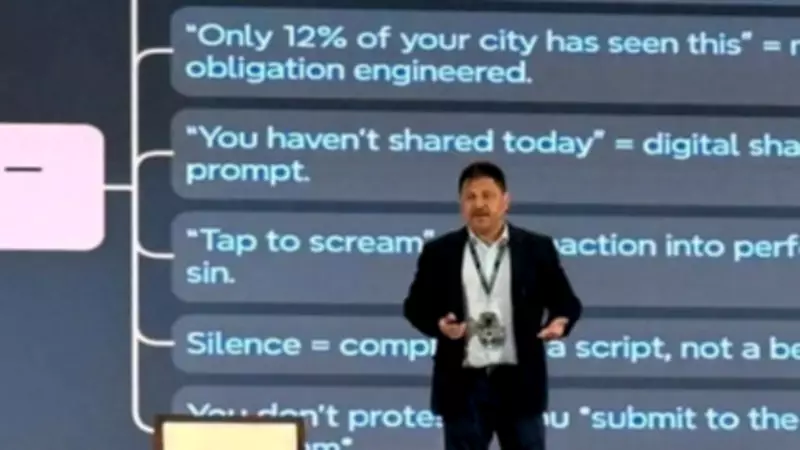
AI Will Automate Journalism Tasks But Profession Will Endure: DGIPR
Brijesh Singh, the Director General of Information and Public Relations (DGIPR), has made a significant statement regarding the future of journalism in the age of artificial intelligence. Speaking at the AI Conference 2026, organized by the Mumbai Marathi Patrakar Sangh, Singh emphasized that while AI will automate many tasks within journalism, the profession itself will continue to exist and evolve.
Historical Context of Knowledge Dissemination
In his address, Singh drew a parallel between the current AI revolution and past technological advancements that transformed how knowledge reaches people. He highlighted that in human history, the invention of printing technology marked a pivotal shift in the process of information dissemination. This historical perspective underscores the idea that technological changes, such as the rise of AI, are not unprecedented but part of an ongoing evolution in media and communication.
Singh elaborated that just as the printing press automated aspects of book production and distribution without eliminating the need for authors and publishers, AI is poised to automate routine journalistic tasks. This includes data analysis, content generation for repetitive reports, and even initial news gathering through automated systems. However, he stressed that the core elements of journalism—such as critical thinking, investigative reporting, ethical decision-making, and human storytelling—will remain essential and irreplaceable by machines.

Implications for the Journalism Industry
The DGIPR's remarks come at a time when the journalism industry is grappling with rapid technological changes and economic pressures. Singh's insights suggest a future where AI tools augment journalists' capabilities rather than replace them entirely. For instance, AI can handle time-consuming tasks like fact-checking, transcription, and social media monitoring, allowing journalists to focus on in-depth analysis and creative content creation.
This shift could lead to a more efficient and innovative media landscape, where human journalists collaborate with AI to produce higher-quality news. Singh also pointed out that as AI automates certain functions, there may be a need for journalists to upskill and adapt to new technologies, ensuring they remain relevant in a changing environment.
Broader Impact on Society
Beyond the journalism profession, Singh's comments highlight the broader societal implications of AI integration. By automating knowledge dissemination tasks, AI has the potential to make information more accessible and timely, similar to how the printing press democratized reading centuries ago. However, this also raises questions about accuracy, bias, and the role of human oversight in AI-driven content.
In conclusion, Brijesh Singh's statement at the AI Conference 2026 offers a balanced view of AI's role in journalism. While acknowledging the automation of many tasks, he reaffirms the enduring value of human journalists in shaping informed and ethical public discourse. As technology continues to advance, this perspective encourages a proactive approach to embracing AI as a tool for enhancement rather than a threat to the profession.