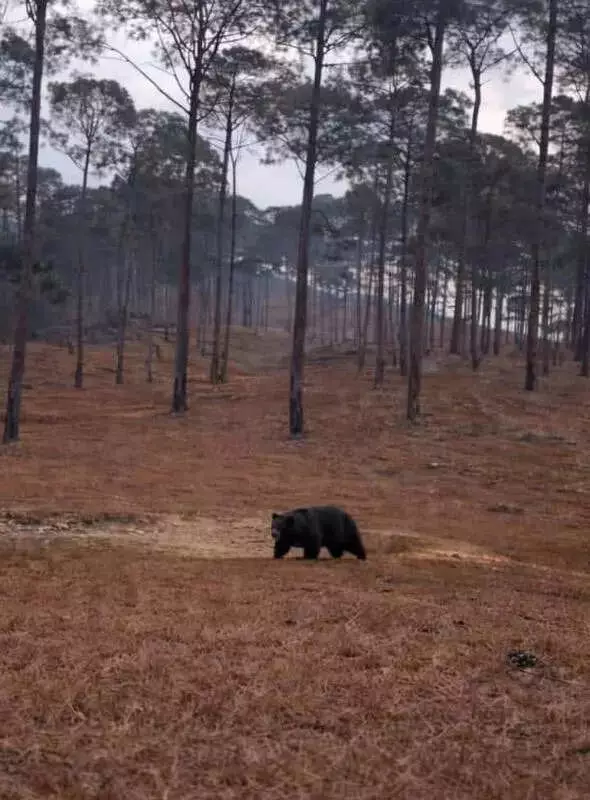
A wave of fear has gripped several villages in Uttarakhand's Bageshwar district, where daily life is being reshaped by a relentless stream of social media rumours. The source of the panic is a series of widely shared posts, many of them AI-generated or misleading, claiming frequent bear sightings near homes and schools.
Forest Department Finds No Evidence Despite Panic
Despite the escalating anxiety, forest officials maintain there is no verified evidence to support the claims of bear presence. Teams have conducted daily field checks and responded to numerous alerts but have returned empty-handed. No confirmed photographs, footprints, or any other physical signs of bear movement have been documented.
Sub-divisional forest officer Tanuja Parihar cited a specific instance from Kamrimpur in the Dharmaghar range. A photograph from Rudraprayag was circulated on local WhatsApp groups as proof, creating significant panic before it was debunked as false. In another case in Kapkot, animals initially feared to be bears were later identified as wild boars.

Impact on Daily Life and Education
The rumours have had a tangible and disruptive impact, particularly on education. Parents have begun escorting their children to school, and in some villages, attendance has dropped sharply as students have stopped going to classes altogether.
"The truth about bears can be verified later, but the fear in children's minds is immediate," said local schoolteacher Inder Singh. He explained that students have been deeply shaken by the graphic images and alarming messages circulating online, leading to their absence from school.
For long-time residents like 60-year-old Pushpa Bhandari, the situation is baffling. "I have lived here all my life and never seen a bear in this village," she said. "Yet now, even a dog moving in the dark makes people panic. Someone shows a video on their phone and says a bear mauled a woman elsewhere, and suddenly everyone believes it."
Officials Urge Public to Stop Sharing Unverified Content
The anxiety is being continuously fuelled by Facebook posts and forwarded messages, leading villagers to call relatives in neighbouring areas to check for sightings. The forest department has now stepped up its monitoring of social media platforms and issued a stern warning.
Officials have urged residents to report any genuine sightings directly to the department instead of relying on forwarded messages. They emphasize that false alarms not only create unnecessary panic but also divert crucial manpower and resources away from legitimate wildlife management and conservation work.
The incident in Bageshwar serves as a stark case study of how rapidly AI-generated content and digital misinformation can disrupt real-world communities, overriding lived experience and official verification with viral fear.