AI Steps Into Your Health Routine
Forget simple step counts and basic heart rate tracking. Artificial intelligence is now taking center stage in managing our well-being. This technology is moving beyond passive data collection to become an active partner in health protection.
The Smart Toothbrush Revolution
Consider your ordinary toothbrush. For centuries, it served one simple purpose: cleaning teeth. Today, that humble bathroom tool is transforming into a sophisticated health monitor.
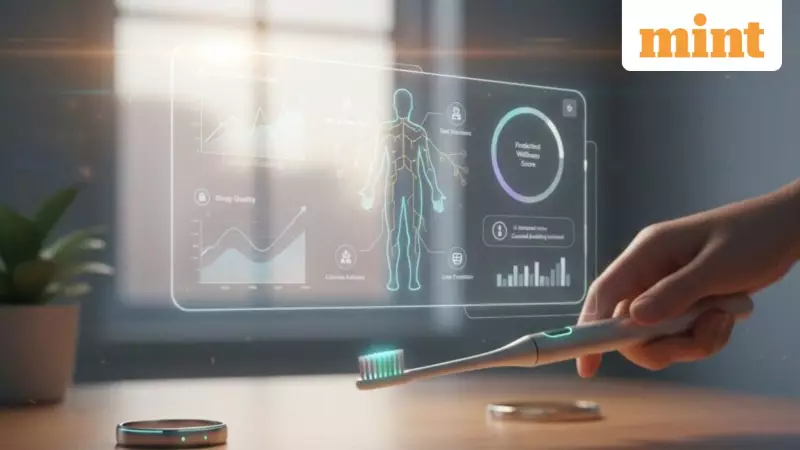
At the recent Consumer Electronics Show in Las Vegas, the Y-Brush Halo demonstrated this shift perfectly. This smart toothbrush uses built-in AI and a gas sensor called SmartNose to analyze your breath during brushing. It monitors chemical signals and biomarkers that can indicate early health changes.

The mouth often shows the first signs of health issues. This toothbrush securely sends collected data to an accompanying app via Wi-Fi or Bluetooth. AI then compares your biomarkers against thousands of patterns associated with various conditions.
Users receive alerts about potential early indicators of health problems. The system can detect about 300 different issues ranging from gum disease to metabolic stress, diabetes, and liver concerns. Your daily oral hygiene routine becomes a powerful, non-invasive health screening tool.
Wearables Get Smarter
The toothbrush is just one example of this health tech revolution. We are witnessing what experts call the "industrialization of the self." Human longevity is now managed with precision once reserved for manufacturing processes.
Advanced sensor miniaturization makes this possible. Technologies that previously required hospital rooms now fit into everyday items. Rings, patches, and scales silently gather continuous physiological data without disrupting daily life.
Take the Samsung AI Health Ring as an example. This small wearable tracks your heart rhythm, sleep patterns, temperature, breathing, and stress levels around the clock. It builds a personalized baseline of your body's normal functioning.
Unlike basic step counters, this ring feeds continuous biological signals into Samsung's AI health platform. The AI looks for subtle deviations that might indicate fatigue, illness, or longer-term risks. A simple piece of jewelry becomes a silent early-warning system.
AI Becomes Your Health Operating System
What's emerging is AI as a health operating system. This isn't about single devices or apps anymore. It's a coordinating layer that sits above everything, quietly managing your biological data.
Traditional healthcare involved fragmented snapshots: a blood test here, an ECG there, a sleep study in a lab. AI now collects data from various products and stitches it into one continuous biological story. It watches for patterns and provides early warnings.
As with all AI advances, users must exercise responsibility. Recent incidents highlight the importance of cross-checking important health information. Google recently pulled some AI Overviews from search results after a January 2026 investigation revealed inaccurate health information.
Real-World Impact
The author shares a personal experience that demonstrates this technology's value. During a tooth infection that caused fever, they experienced chest tightness that worsened over time. Suddenly, their Apple Watch buzzed with a warning about dangerously high heart rate.
This alert prompted immediate hospital attention. Medical professionals stabilized the situation over two days before sending the patient home to recover. While the exact cause remained unclear, the AI-driven warning potentially prevented serious complications.
The New Normal
We stand at an inflection point in healthcare history. Artificial intelligence promises to be as transformative as the internet revolution. Avoiding AI will become increasingly difficult as technology integrates it everywhere.
This shift represents more than gadget innovation. It's about moving from disconnected health snapshots to continuous, AI-coordinated biological monitoring. Our everyday objects are becoming partners in preventive healthcare, working silently to keep us healthier longer.

The future of health is personal, predictive, and powered by artificial intelligence. From your toothbrush to your jewelry, smart devices are taking charge of your well-being in ways we're only beginning to understand.