AI-Powered Fake News Network Exploits Iran Conflict with Fabricated Celebrity Donation Stories
In the immediate aftermath of the February 28 missile strikes on Iran by the United States and Israel, social media platforms were inundated with false claims about celebrity donations to relief efforts. Investigators have identified these viral posts as originating from a coordinated spam network based in Vietnam, which utilizes artificial intelligence tools to generate fabricated articles and disseminate them through multiple pages.
How the Misinformation Campaign Operated
The posts spread rapidly across Facebook and other platforms, capitalizing on public sympathy and the heightened emotional atmosphere surrounding the escalating conflict. By presenting emotionally charged narratives about humanitarian aid, the network successfully attracted significant engagement, which analysts believe was primarily aimed at generating advertising revenue.
This coordinated behavior raised immediate red flags for digital misinformation experts, who noted the nearly identical wording appearing across numerous fan pages and accounts. The campaign represents a sophisticated evolution in fake news operations, leveraging AI technology to create convincing but entirely fictional stories.

The Taylor Swift and Travis Kelce Fabrication
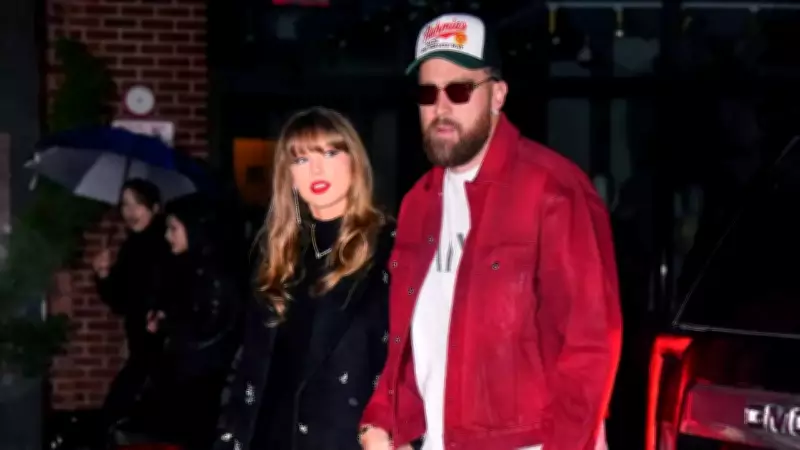
One of the most widely circulated false claims asserted that global music icon Taylor Swift and NFL star Travis Kelce had jointly donated their entire $5 million in recent tour revenues, performance bonuses, and endorsement earnings. According to the fabricated report, this substantial sum was designated for emergency relief and medical aid following what was described as a tragic elementary school strike in southern Iran.
The AI-generated article included detailed but completely fictional quotes attributed to the celebrity couple:
"I've seen the reports of those innocent children in the south, and it broke my heart," Taylor shared during an emotional press briefing, standing beside Kelce. "If we're in a position to help, then we have a responsibility to act. No child should ever have to endure that kind of fear or loss."
Travis added quietly, "We talk a lot about strength and resilience in sports and in music, but real strength is showing up for people when they need it most. No family should have to carry that grief alone."
Investigators have confirmed there is absolutely no credible evidence supporting these alleged donations or statements. The detailed nature of the fabrication, complete with specific financial figures and emotional dialogue, demonstrates the increasing sophistication of AI-powered misinformation campaigns.
Broader Context and Impact
This incident occurs against a backdrop of heightened regional tensions, with multiple reports circulating about military actions across the Middle East. Iranian state media had claimed a US fighter jet was downed in Kuwait, while other reports suggested explosions in Bahrain, Dubai, and Doha. Israel confirmed bombing Hezbollah targets in Beirut, and Gulf nations vowed to defend themselves.
The fake donation story exploited this volatile information environment, where users were already consuming multiple conflicting reports about the conflict's developments. By inserting a humanitarian narrative into this context, the spam network successfully captured attention that might otherwise have been focused on verifying factual military and diplomatic developments.
Celebrity Relationship Speculation Continues
Even as this misinformation circulated, public fascination with Swift and Kelce's relationship persisted independently. The couple, both 36 years old, began dating in 2023 and got engaged in 2025. They have since managed to balance world tours, championship seasons, and major public appearances.
Talk show host Graham Norton recently hinted that wedding plans might be progressing, recalling Swift's previous comment that fans would "know" when the big day arrives. The singer had previously emphasized that music projects remained her top priority, with wedding planning to follow later.

This genuine celebrity news provided additional context that made the fake donation claims appear more plausible to casual social media users, demonstrating how misinformation campaigns often piggyback on legitimate public interest topics.
The Growing Threat of AI-Powered Misinformation
Digital security analysts emphasize that this incident represents a concerning trend in misinformation tactics. The Vietnamese spam network's use of AI tools allows for:
- Rapid generation of convincing fake articles
- Scalable distribution across multiple platforms
- Adaptation to current events and trending topics
- Creation of emotionally compelling narratives that drive engagement
Experts warn that such operations threaten to undermine legitimate humanitarian efforts during actual crises by sowing confusion and eroding public trust in online information sources. The incident serves as a stark reminder of the importance of verifying information through credible news organizations before sharing or acting on social media claims.