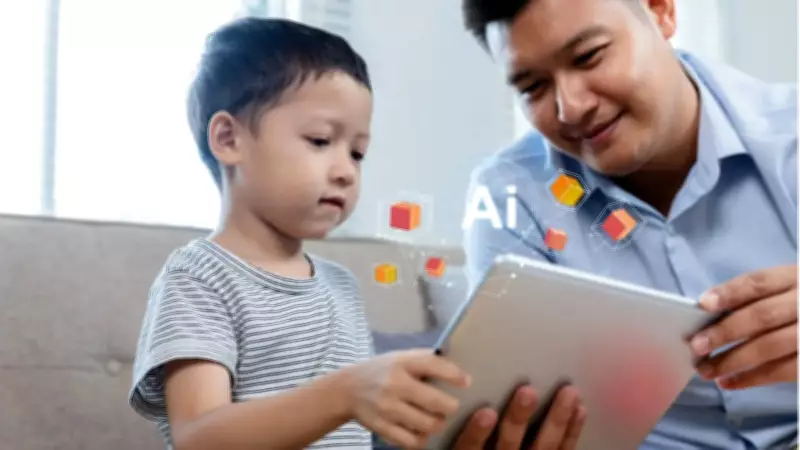
AI Era Demands Human Empathy: Why Emotional Intelligence Remains Irreplaceable
As artificial intelligence becomes increasingly embedded in education, work, and daily life, the defining challenge of our time is no longer technological advancement alone but the preservation of human sensitivity within it. While machines can process information with remarkable speed and accuracy, they cannot replicate empathy, moral judgment, or emotional understanding. These are the capacities that remain uniquely human and essential for navigating an AI-driven world.
AI and the Future of Human Skills: Why Emotional Intelligence Still Matters
According to a recent 2026 report published by the World Economic Forum, analytical thinking and technological skills are rising in importance, but empathy, leadership, and social influence remain among the most in-demand human capabilities that cannot be automated. This reinforces that even in an AI-driven world, human-centric skills like empathy and moral judgment remain indispensable, especially in education and leadership roles.
In classrooms and homes alike, children today are growing up alongside intelligent systems that respond instantly, offer solutions, and simulate interaction. In an interview with the Times of India, Prof DC Kiran, Associate Professor at the School of Engineering and Technology at Vidyashilp University, explained how emotional intelligence cannot be automated. He shared, "It is developed through lived experience — through listening, disagreement, reflection, and the ability to recognise emotions in oneself and others. These capacities require time, presence, and conscious nurturing."

Your Child Is Growing Up With AI: Here’s What You Should Really Worry About
A 2026 MIT Sloan Management Review found that AI systems can simulate conversational empathy but lack genuine emotional understanding, which is rooted in lived human experience and social context. This aligns perfectly with Prof Kiran's point that emotional intelligence develops through lived experience, reflection, and relationships, not automation.
Education in the Age of AI: Balancing Technology and Humanity
As education systems increasingly adopt digital tools, the role of educators and parents becomes even more critical. Prof Kiran suggested, "Teaching children how to use technology must go hand in hand with teaching them how to relate — to people, to uncertainty, and to complexity. Skills such as empathy, ethical judgement, and self-regulation are not ancillary; they are foundational to meaningful learning and responsible citizenship."
In an age where efficiency is often prioritized, it is essential to reaffirm the value of human connection. Emotional intelligence enables individuals to collaborate, lead with integrity, and navigate ambiguity with resilience. These are not soft attributes but core competencies for the future workforce.
Prof Kiran opined, "As we prepare children for a world shaped by artificial intelligence, our task is not to compete with machines but to cultivate what distinguishes us from them. Empathy, reflection, and moral discernment will define the leaders of tomorrow. In nurturing these qualities, education safeguards not only relevance but humanity itself."
Raising Kids in the Age of AI? Don’t Ignore This One Skill
In an era dominated by AI, the parental challenge is to anchor children in the real world while preparing them for a digital one. While technology is rapidly evolving and potentially fleeting, the physical and emotional realms remain permanent foundations. To thrive, children must understand that digital innovation is a product of human effort, not a replacement for it.
As per a 2026 report by UNESCO, as artificial intelligence becomes embedded in learning environments, education systems must prioritize ethical reasoning, empathy, and human connection alongside digital literacy. This strongly backs that education must balance tech adoption with emotional and ethical development, positioning these as foundational, not secondary, skills.

According to Shrishti Jaiswal, International Marketing, Communications and PR Manager at JD Institute of Fashion Technology in Bangalore, building emotional strength begins with fostering Emotional Intelligence (EQ). She advised, "In a 'click-and-get' culture, parents should prioritise delayed gratification. Resilience is forged through struggle; providing instant access to every whim hinders a child’s ability to navigate life’s inevitable challenges. Rewards should follow effort, teaching them that true satisfaction is earned, not gifted."
Furthermore, "digital intelligence" must be rooted in ethics. Jaiswal asserted, "It is not enough to be tech-savvy; children must comprehend the pros and cons of AI, learning to use it as a creative tool rather than a cognitive crutch. By balancing screen time with 'soul time' — physical play and real-world problem-solving — parents ensure their children become creators, not just consumers. In this balance, technology serves the human experience, while the heart remains the ultimate compass."