AI Elephant Detection System on Kerala-TN Rail Stretch Faces Delays Despite Installation
The highly anticipated AI-driven elephant intrusion system designed for the critical railway stretch from Palakkad to Madukkarai has encountered significant delays, failing to launch as scheduled. Although the majority of sensor and communication equipment installations are complete, the system remains inactive, with sources indicating that extensive trials and certifications are still required before commissioning.
System Overview and Functionality
This innovative system is engineered to detect elephant presence on railway tracks using distributed acoustic sensors (DAS). It integrates optical fibre infrastructure, specialized hardware, and pre-programmed signatures of elephant movements. Upon detection, the system generates real-time alerts for loco pilots, station masters, and control rooms, providing crucial warnings about elephant proximity to the tracks.
Implementation Details and Strategic Importance
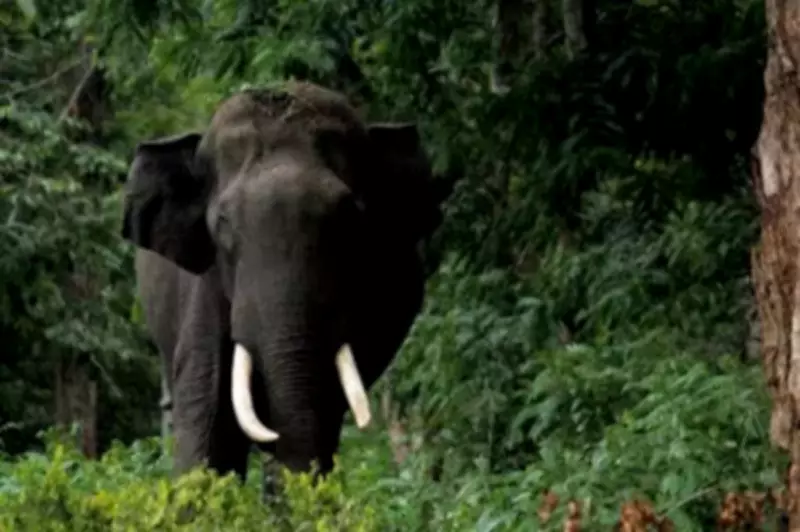
Specifically targeting the Palakkad division, the system is configured to send alerts to station masters in the Walayar-Kanjikode section along the Kerala-Tamil Nadu border. Additionally, it will directly notify locomotives of approaching trains, with station masters reinforcing these alerts via wireless communication. This stretch is particularly vulnerable due to its passage through forested areas, making it a hotspot for elephant crossings. It serves as a vital corridor, forming part of the main railway line connecting Kerala and Tamil Nadu, with a high volume of daily train traffic.

Existing Safety Measures and Collaborative Efforts
In response to the persistent threat of elephant intrusions, railways have implemented multiple preventive measures. These include imposing speed restrictions on trains, installing solar fencing, deploying AI-assisted cameras, erecting warning signboards for loco pilots, and conducting conventional foot patrols. Concurrently, the forest department plays a proactive role by issuing periodic alerts about elephant herds near the railway line. Dedicated elephant trackers from the department monitor herd movements closely, enabling additional precautions to safeguard both wildlife and rail operations.
The delay in commissioning this AI system underscores the complexities involved in deploying advanced technology for wildlife conservation and railway safety. As authorities work to finalize trials, the reliance on existing measures highlights the ongoing challenges in balancing infrastructure development with environmental protection in this ecologically sensitive region.