AI, Copyright, and the Public Domain: Navigating Legal Challenges
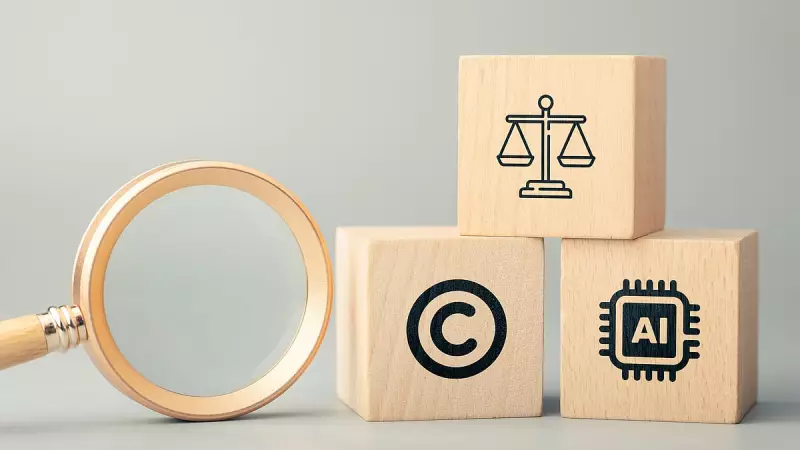
Copyright law operates on a fine line. It must protect the rights of creators and owners while also ensuring fair access for users. This balance becomes even more critical with the rise of artificial intelligence. AI technologies often use existing works to generate new content, raising complex questions about ownership and infringement.
The Delicate Equilibrium in Copyright Law
At its core, copyright law aims to foster creativity by granting exclusive rights to creators. These rights allow authors, artists, and other innovators to control how their works are used and distributed. However, the law also recognizes the importance of the public domain. This is where works are free for everyone to use without restrictions, promoting education, innovation, and cultural exchange.
Striking this balance is not easy. On one hand, strong copyright protections incentivize new creations by ensuring creators can benefit from their efforts. On the other hand, overly restrictive laws can stifle creativity and limit public access to knowledge and art. The introduction of AI into this mix adds new layers of complexity.

AI's Impact on Copyright and Public Access
Artificial intelligence systems frequently analyze vast amounts of data, including copyrighted materials, to learn and produce outputs. This process can blur the lines between original creation and derivative use. For instance, when an AI generates a piece of music or text based on training data, who owns the result? Is it the AI developer, the user, or the original creators of the training data?
These questions challenge traditional copyright frameworks. They force us to reconsider how we define authorship and ownership in a digital age. Moreover, AI can accelerate the creation of new works, potentially enriching the public domain faster. But it also risks infringing on existing rights if not properly regulated.
Moving Forward: Solutions and Considerations
To address these issues, policymakers and legal experts must adapt copyright laws. They need to account for AI's unique capabilities and risks. Possible solutions include:
- Clarifying ownership rules for AI-generated content to prevent disputes.
- Expanding fair use provisions to allow for AI training without violating copyrights.
- Promoting open access initiatives that support the public domain while respecting creators.
Ultimately, the goal is to maintain that delicate balance. We must protect creators' rights to encourage innovation. At the same time, we should ensure that the public domain remains a vibrant resource for all. As AI continues to evolve, ongoing dialogue and legal updates will be essential to navigate this complex landscape.