AI Can Bridge Information Gap in Agriculture: MeitY Secretary
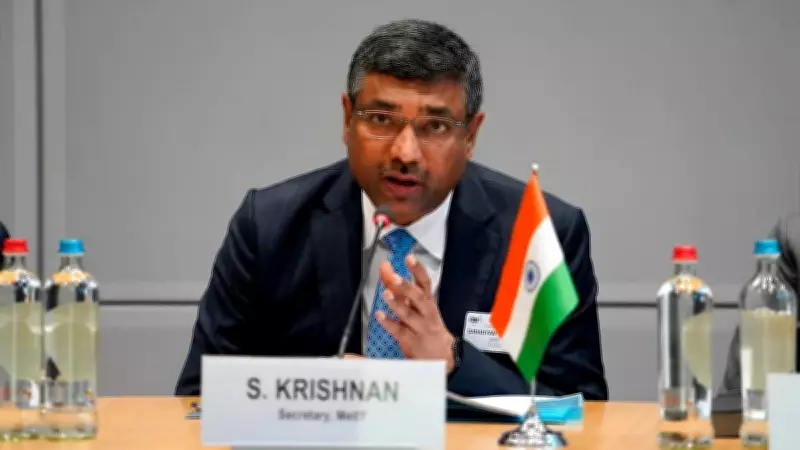
In a significant address, MeitY Secretary Krishnan highlighted the transformative potential of artificial intelligence in addressing the persistent information gap within India's agricultural sector. Drawing from his personal experiences, Krishnan revealed that he holds an agricultural loan in his personal account and that his mother actively supervises the cultivation on his family farm, giving him firsthand insight into the challenges faced by farmers.
The Critical Need for Timely Advice
Krishnan emphasized that timely and reliable advice remains the single most important resource farmers seek to optimize their yields and navigate uncertainties. He pointed out that this crucial need has consistently been unmet by the existing agricultural support systems, leading to inefficiencies and reduced productivity across the sector.
"The system has consistently failed to deliver the one thing farmers need most: dependable guidance at the right moment," Krishnan stated, underscoring the urgency for technological intervention.

AI as a Solution to Agricultural Challenges
Artificial intelligence, according to Krishnan, offers a promising solution to bridge this information divide. By leveraging AI technologies, farmers could access real-time data on weather patterns, soil health, pest management, and market trends, enabling more informed decision-making.
- Personalized Recommendations: AI systems can analyze local conditions to provide tailored advice for specific crops and regions.
- Predictive Analytics: Advanced algorithms can forecast potential issues, allowing farmers to take preventive measures.
- Accessibility: Mobile-based AI applications can reach remote farming communities, democratizing access to expert knowledge.
Implications for India's Agricultural Future
The integration of AI into agriculture aligns with broader national goals of enhancing food security and boosting rural economies. Krishnan's advocacy signals a push towards modernizing India's farming practices through digital innovation, potentially leading to increased sustainability and profitability for millions of farmers.
This development comes as part of ongoing efforts to harness technology for social good, with the MeitY playing a pivotal role in driving such initiatives forward.