Tech Experts Sound Alarm on AI Backlash Without Concrete Public Utility
Prominent technocrats have issued a stark warning about the potential for a significant public backlash against artificial intelligence unless its applications demonstrably improve everyday life. This cautionary note emerged during high-level discussions at the recent AI Impact Summit 2026, where industry leaders stressed the critical need for AI to be not just advanced but genuinely useful to society.
Google CEO Advocates for Dual Government Role in AI Governance
Google CEO Sundar Pichai articulated a clear vision for governmental involvement in the AI landscape. He asserted that governments must act as both regulators and innovators to harness AI's potential responsibly. On one hand, this involves integrating AI into public services to enhance efficiency and accessibility. On the other, it requires establishing robust guardrails to mitigate risks such as bias, privacy violations, and job displacement. Pichai's comments underscore a growing consensus that proactive policy frameworks are essential to build public trust and ensure AI development aligns with societal values.
Nandan Nilekani Calls for India to Become the Global AI Use-Case Capital
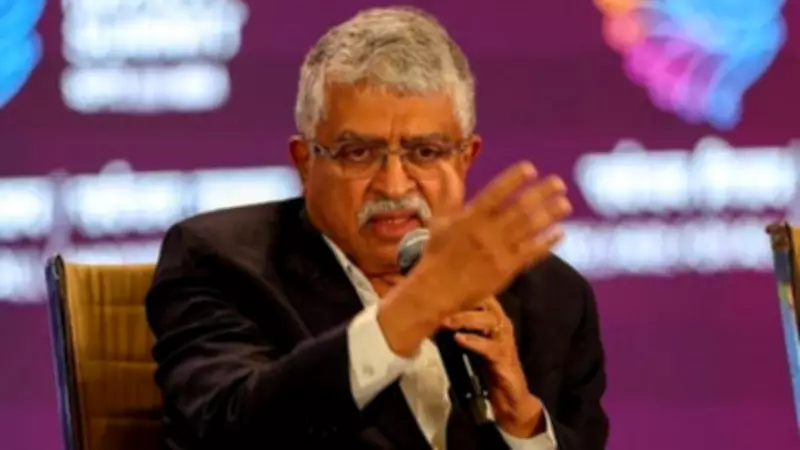
Echoing the sentiment of practical utility, Infosys co-founder Nandan Nilekani emphasized India's unique opportunity to lead in real-world AI applications. At the summit, he stated, "India should focus on becoming the use-case capital of the world." This vision involves leveraging AI to address local challenges in sectors like healthcare, agriculture, and education, thereby creating scalable models that can benefit global communities. Nilekani's perspective highlights the importance of moving beyond theoretical advancements to implement solutions that directly impact people's lives, potentially averting skepticism and resistance to AI technologies.

Rising Concerns Over AI Adoption and Public Perception
The warnings from these tech leaders come amid increasing scrutiny of AI's societal implications. As AI systems become more pervasive, there is a palpable risk of backlash if they are perceived as intrusive, unreliable, or irrelevant to daily needs. Experts argue that without tangible benefits—such as improved healthcare diagnostics, smarter urban planning, or enhanced educational tools—public acceptance could wane, leading to regulatory hurdles and slowed innovation. The summit discussions, held in New Delhi, reinforced the idea that the AI industry must prioritize ethical deployment and clear communication of its advantages to maintain momentum and support.
Key Takeaways from the AI Impact Summit 2026
- Government as Innovator and Regulator: Sundar Pichai's call for a balanced approach where governments actively participate in AI development while setting safety standards.
- Focus on Use-Cases: Nandan Nilekani's advocacy for India to pioneer practical AI applications that solve real-world problems.
- Mitigating Backlash: The collective emphasis on ensuring AI delivers visible, beneficial outcomes to prevent public distrust and opposition.
- Industry Collaboration: The need for ongoing dialogue between tech companies, policymakers, and civil society to align AI progress with public interest.
As AI continues to evolve, the insights from this summit serve as a crucial reminder that technological advancement must be coupled with societal benefit. By focusing on utility and responsible governance, stakeholders aim to navigate the complexities of AI integration and foster a future where it is widely embraced rather than feared.