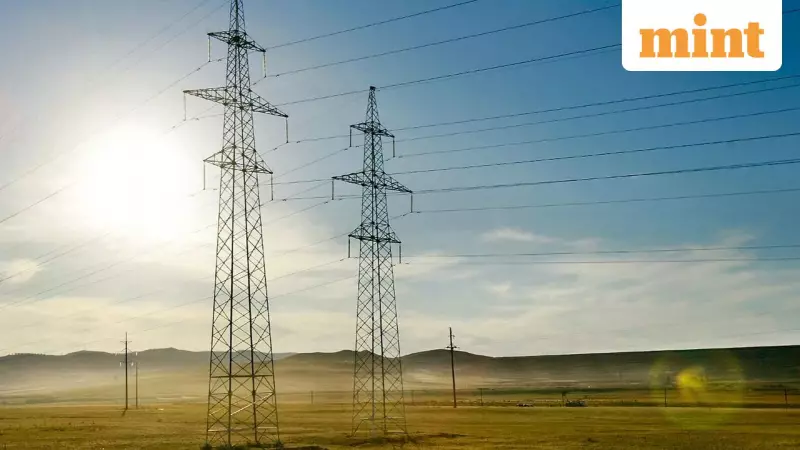
Global electricity systems are facing unprecedented strain as demand surges and renewable energy sources create new management challenges. According to International Energy Agency projections, electricity demand will grow six times faster than overall energy demand by 2035, driven by electric vehicles, data centers, and smart appliances.
The Grid Under Pressure
Energy systems worldwide are undergoing rapid transformation that will fundamentally change how power is distributed and consumed. The electrification wave isn't limited to transportation and heating; it now includes the explosive growth of AI-powered data centers that consume massive amounts of electricity.
On the supply side, renewable energy sources like solar are playing increasingly significant roles. While this shift promises greater energy independence and lower emissions, it introduces complexity for grid operators who must manage variable electricity flows while maintaining reliability and affordability.

By 2030, homes and businesses will contain more than 30 billion digitally connected devices, doubling today's numbers. This explosion of connected technology demands that energy systems develop much greater flexibility to respond to supply and demand fluctuations.
Digitalization and AI as Game Changers
Digital tools and artificial intelligence offer promising solutions to these challenges. Available AI models can already predict output from weather-dependent generation sources, help balance supply and demand throughout the day, and detect infrastructure anomalies as they emerge.
According to Nandan Nilekani, co-founder of Infosys and founding chairman of UIDAI, and Fatih Birol, executive director of the International Energy Agency, these technologies can improve efficiency, enhance affordability, and strengthen energy security when properly implemented.
Smart EV chargers could automatically shift charging to times when renewable generation is high, while modern thermostats and appliances could respond to real-time price signals to reduce peak electricity consumption. Rooftop solar systems could be aggregated to provide power to grids when needed most.
The Interoperability Challenge
Despite the potential, significant challenges remain. Many digitally-enabled technologies operate in isolation with proprietary designs, lacking standardized interfaces and the functionality to interact dynamically with the grid. This fragmentation creates inefficiencies, raises costs, and stifles innovation.
The authors emphasize that mere digital capability isn't enough—energy systems must become interoperable so new technologies can be integrated seamlessly. When every network node communicates effectively, system managers can achieve desired outcomes faster and more efficiently.
Cyber threats present another critical concern. Cyberattacks on energy utilities have more than tripled in frequency over the past four years, with AI making these attacks increasingly sophisticated. However, interoperable systems built on common standards can demonstrate greater resilience to such threats.
India's Digital Public Infrastructure Lead
India is taking a calibrated step forward with the launch of the India Energy Stack (IES), which aims to build digital public infrastructure enabling identification and value exchange across multiple actors and assets through uniform specifications and standards.
This approach builds on India's successful Digital Public Infrastructure experiment, which could offer cues for other nations. Recent proposals for a Digital Energy Grid envision creating a unified digital backbone for the energy ecosystem by introducing universal identity, machine readability, and verifiability.
The authors call for governments and industry to collaborate toward strong, secure digitalized energy systems, emphasizing the need for shared vision and long-term planning. As energy systems continue their inevitable transformation, thoughtful design choices today will determine whether we achieve efficient, resilient grids or face squandered potential and rising energy-security threats.