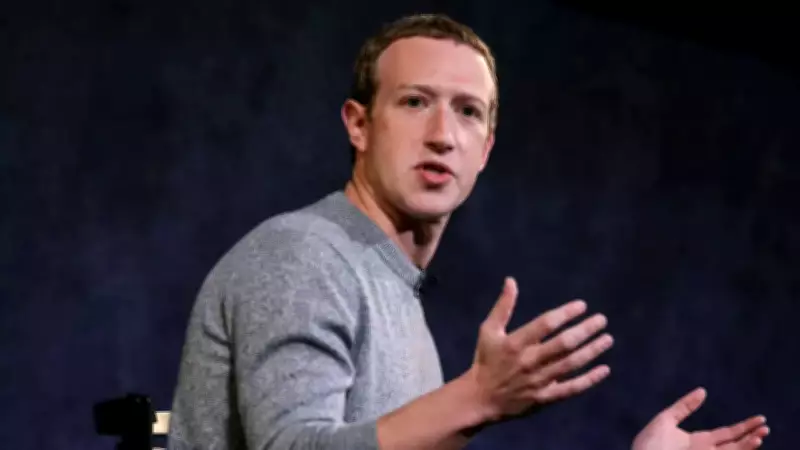
Meta CEO Mark Zuckerberg is facing a challenge that memos alone cannot resolve. A month after the company cut 8,000 jobs and reassigned another 7,000 employees to artificial intelligence tasks, internal morale has reached unprecedented lows. Zuckerberg's latest attempt to stabilize the situation failed to resonate, according to an internal note reviewed by Reuters on Friday.
Zuckerberg Acknowledges Mistakes
In the memo, Zuckerberg admitted that Meta mishandled parts of its AI transformation. He promised no further company-wide layoffs this year but added a caveat: he did not want to overpromise because global changes are beyond his control. For the remaining 70,000 employees, many of whom watched colleagues be reassigned to unwanted AI training work, this hedge undermines the reassurance. A no-layoffs pledge with an expiration date feels hollow, especially after weeks of 4 a.m. termination emails that taught employees to scrutinize the fine print.
Zuckerberg wrote, "Given the complexity of these changes, we've made mistakes and will almost certainly make more," according to Reuters. He paired this with a commitment to provide "as much stability as possible" moving forward, while reiterating that Meta does not anticipate additional mass cuts in 2026. He also addressed employee anger over the elimination of middle management layers, which hit engineering managers hardest during the May 20 layoffs, and promised to reduce the practice of managers overseeing up to 50 reports.

Details of the Restructuring
The restructuring was severe. The cuts eliminated 10 percent of Meta's global workforce, with notifications sent in three 4 a.m. waves across Asia, Europe, and the Americas. U.S. staff received 16 weeks of severance plus two weeks per year of service. The 7,000 reassigned employees were moved into new AI teams, including a unit called Applied AI and Engineering, which employees have nicknamed "the Draft" because joining was mandatory.
Employee Discontent and Soul-Crushing Work
Discontent is palpable. Wired reported that a livestreamed employee presentation was interrupted by an expletive-laden outburst, with one worker demanding that a specific AI executive be called "a piece of shit." Engineers reassigned to Applied AI describe their new tasks—generating coding puzzles to train and test AI models—as menial. One called it "literally the gulag," while another told Wired the work felt "soul-crushing" for people hired to build apps for billions of users.
Zuckerberg tried to reframe the unit as a temporary assignment rather than a dead end. He argued the work allows "very talented people" to contribute while Meta develops other roles for them in the coming months. He also emphasized that, unlike some competitors, Meta's primary goal is not to automate jobs away but to create more personalized Instagram and Facebook experiences, smarter glasses, and personal AI agents.
The Financial Pressure Behind the Cuts
Underlying the personnel turmoil is a staggering financial figure. Meta raised its 2026 capital expenditure forecast to between $125 billion and $145 billion—nearly double last year's spend—with most allocated to data centers, custom chips, and model training for Meta Superintelligence Labs. The 8,000 layoffs were explicitly intended to offset this cost. CFO Susan Li told analysts in April that she no longer has a clear answer for Meta's ideal headcount, given how rapidly AI is changing what a single engineer can deliver.
Modest Fixes for Low Morale
Zuckerberg's proposed fixes appear modest in comparison. He promised larger budgets for offsites and team events, assigned desks for many employees by year's end, and a large hackathon in July to rebuild cross-team collaboration. The hackathon idea was met with skepticism. One employee wrote in comments quoted by Wired, "I'm literally preoccupied with keeping the lights on for my team. I have no incentive to participate, let alone have the time to do so." Another doubted the company "supports a hackathon culture anymore."

The gap between Zuckerberg's stability pitch and the workforce's reality is what the memo could not bridge. He promised no more layoffs this year, then warned he could not guarantee it long-term. Employees heard both messages. The question now is not whether the next four weeks will bring fresh cuts, but whether the trust to withstand them has already been eroded.