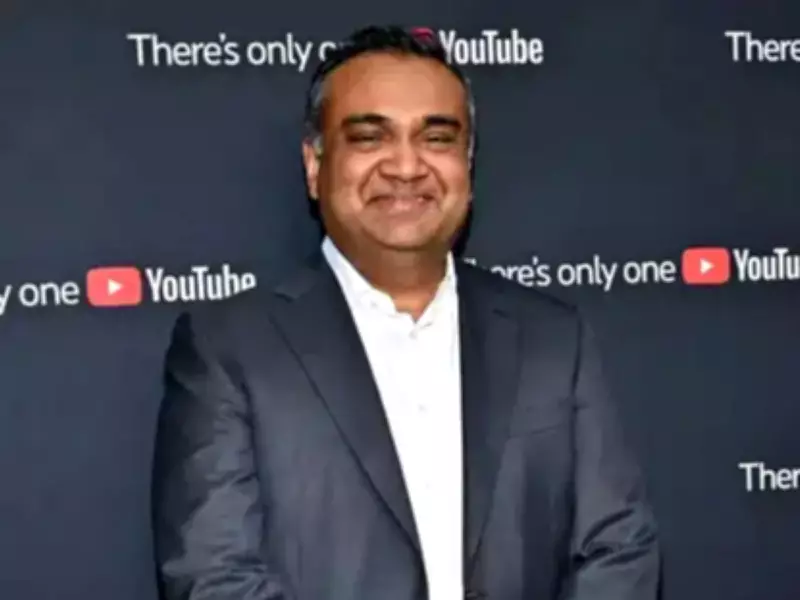
YouTube CEO Neal Mohan Responds to Landmark Lawsuit, Advocates for Safer Digital Environment
In a significant development, YouTube CEO Neal Mohan has addressed a high-profile lawsuit filed in California, where the platform, alongside Meta – the parent company of Instagram – faces allegations of being addictive and harmful. The lawsuit was initiated by a young woman who claims that these social media platforms have negatively impacted her mental health.
Mohan's Philosophy on Protecting Young Users
Following a jury finding that YouTube and Meta were negligent in addressing addiction issues, Mohan outlined his approach in an interview with The New York Times. He emphasized that the focus should be on creating a safer digital world for children rather than excluding them from it entirely. "We should be thinking about protecting young people in the digital world as opposed to protecting them from the digital world," Mohan stated, rejecting calls for outright bans on social media access for kids.
Personal Analogy: Teaching Kids to Navigate the Internet
To clarify his stance, Mohan drew a personal comparison, likening the process to teaching his daughter to ride a bike. "The best analogy I can think about is teaching my daughter to ride a bike. It starts with training wheels, and you take off the training wheels, and then eventually she can ride her bike and be on her own," he explained. This analogy underscores his view that the internet should not be seen as a danger to avoid but as a space where young people can learn to navigate safely with proper guidance.

Legal Context and Company Response
Recently, a judge ruled that YouTube and Meta's platforms contributed to the mental health struggles of a 20-year-old woman, identified as Kaley G.M., due to their addictive nature. In response, YouTube has announced plans to appeal the California verdict, disagreeing with the findings. The company's lead trial lawyer highlighted that YouTube has implemented features designed to interrupt prolonged viewing sessions and provide parents with insights into their children's screen time, aiming to mitigate potential harms.
Rejection of Bans and Emphasis on Practical Solutions
Mohan firmly pushed back against the idea of restricting children's access to online content altogether, describing it as fundamentally wrong. "I also think it's wrong, frankly, to eliminate that knowledge, that library of content," he remarked. Instead, he advocated for enhanced parental controls that are both practical and enforceable. "The way I think you approach it is to make it so that parental controls are truly practical and easy to use, and can actually be enforceable. That's what we can do," Mohan added, stressing the importance of tools that parents can effectively utilize.
Global Context and Regulatory Trends
This discussion comes amid increasing global scrutiny of social media's impact on youth. In December, Australia implemented a ban on social media access for children under 16, and several other countries are considering similar restrictions. Mohan's comments position YouTube's strategy in contrast to these regulatory moves, focusing on empowerment through safety features rather than exclusion.
As the debate over digital safety for children continues, Mohan's insights highlight a growing industry perspective that prioritizes education and controlled access over outright bans, aiming to balance the benefits of online content with necessary protections for young users.