

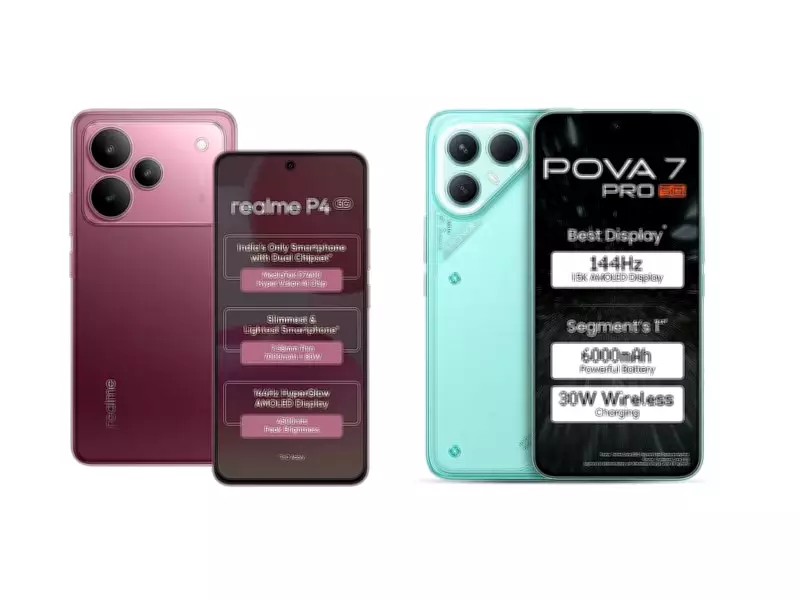
Generation Z, the cohort born between the mid-1990s and early 2010s, is increasingly favoring multifunctional gadgets over traditional single-purpose devices. This shift is reshaping the consumer electronics landscape, as manufacturers adapt to the preferences of digital natives.
Convenience and Portability
One of the primary reasons for this trend is convenience. Multifunctional devices, such as smartphones, tablets, and smartwatches, combine several features into one portable unit. Gen Z values the ability to perform multiple tasks without carrying several devices. For instance, a smartphone serves as a communication tool, camera, music player, GPS, and gaming console.
Cost-Effectiveness
Financial considerations also play a significant role. Buying one multifunctional device is often cheaper than purchasing several specialized gadgets. As Gen Z faces economic challenges like student debt and rising living costs, they prioritize value for money. This generation is savvy about making purchases that offer the best functionality per dollar spent.

Tech-Savviness and Adaptability
Growing up in a digital age, Gen Z is highly adept at using technology. They quickly adapt to new interfaces and appreciate the seamless integration of functions. Multifunctional gadgets often come with intuitive software that allows for customization and efficiency. This tech-savviness means they are less intimidated by complex devices and more willing to explore their full potential.
Environmental Concerns
Environmental awareness also influences their choices. By opting for multifunctional gadgets, Gen Z reduces electronic waste. Fewer devices mean less manufacturing demand and lower resource consumption. This aligns with their broader commitment to sustainability and reducing their carbon footprint.
Impact on Manufacturers
Consumer electronics companies are responding by designing products that blend multiple functions. For example, laptops now feature touchscreens and 2-in-1 designs, while smart home devices integrate voice assistants, speakers, and hubs. Brands that fail to innovate risk losing relevance among younger consumers.
In conclusion, Gen Z's preference for multifunctional gadgets stems from a desire for convenience, cost savings, technological adaptability, and environmental responsibility. This trend is likely to continue as technology evolves, further blurring the lines between device categories.






