Paytm Unveils Biometric UPI Payments and Cardless ATM Withdrawals in India
In a significant move to bolster digital payment infrastructure, Paytm has officially launched biometric authentication for Unified Payments Interface (UPI) transactions and introduced cardless ATM withdrawal services across India. This dual initiative aims to enhance security, streamline financial access, and cater to the evolving needs of consumers in the rapidly growing digital economy.
Biometric UPI Payments: A Leap in Security and Convenience
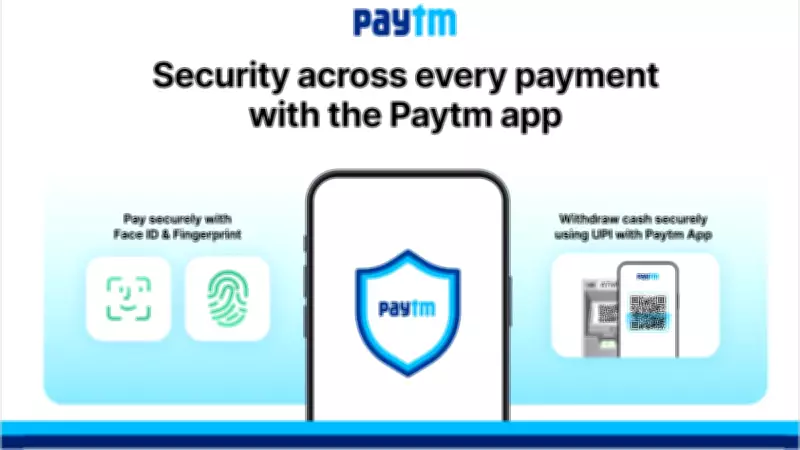
Paytm's new biometric UPI feature allows users to authorize payments using fingerprint or facial recognition technology, eliminating the need for traditional PINs or passwords. This innovation leverages advanced biometric sensors available on modern smartphones to provide a seamless and secure transaction experience. By integrating biometric data, Paytm aims to reduce fraud risks associated with unauthorized access, making digital payments more reliable for millions of users.
The biometric UPI system is designed to work with existing UPI frameworks, ensuring compatibility with a wide range of banks and merchants. Users can simply scan their biometrics during checkout to complete transactions, offering a faster and more intuitive alternative to manual input methods. This move aligns with global trends toward biometric authentication in fintech, positioning Paytm at the forefront of India's digital payment revolution.

Cardless ATM Withdrawals: Enhancing Financial Accessibility
In addition to biometric UPI, Paytm has enabled cardless ATM withdrawals, allowing users to access cash without physical debit or credit cards. This service operates through the Paytm app, where users generate a one-time code or QR code that can be scanned at participating ATMs to dispense money. The process enhances convenience for individuals who may forget their cards or prefer not to carry them, while also reducing the risk of card skimming and theft.
The cardless ATM feature supports withdrawals from a network of ATMs across major banks in India, promoting financial inclusion by making cash access more flexible. It is particularly beneficial in rural and semi-urban areas where digital literacy is rising but physical card infrastructure may be limited. Paytm's rollout includes partnerships with leading financial institutions to ensure widespread availability and smooth integration.
Impact on India's Digital Payment Landscape
These introductions by Paytm are expected to significantly impact India's digital payment ecosystem, which has seen exponential growth driven by government initiatives and increasing smartphone penetration. Biometric UPI payments could accelerate adoption among tech-savvy users and older demographics seeking simpler interfaces, while cardless ATM withdrawals address practical challenges in cash-dependent scenarios.
Industry experts highlight that these features may set new standards for security and user experience in fintech, encouraging other players to innovate. As India continues to push toward a less-cash economy, such advancements support broader goals of financial digitization and inclusion, potentially reducing reliance on physical currency and enhancing overall economic efficiency.
Future Prospects and User Adoption
Looking ahead, Paytm plans to expand these services with additional security layers and broader ATM networks, aiming for nationwide coverage by the end of the year. User adoption will depend on factors like awareness campaigns, ease of use, and trust in biometric data handling. Paytm has emphasized compliance with data protection regulations to address privacy concerns, ensuring that biometric information is encrypted and stored securely.
With these launches, Paytm reinforces its commitment to driving innovation in India's fintech sector, offering solutions that blend cutting-edge technology with everyday financial needs. As digital payments become more ingrained in daily life, such features are poised to redefine how Indians transact, making processes safer, faster, and more accessible for all.