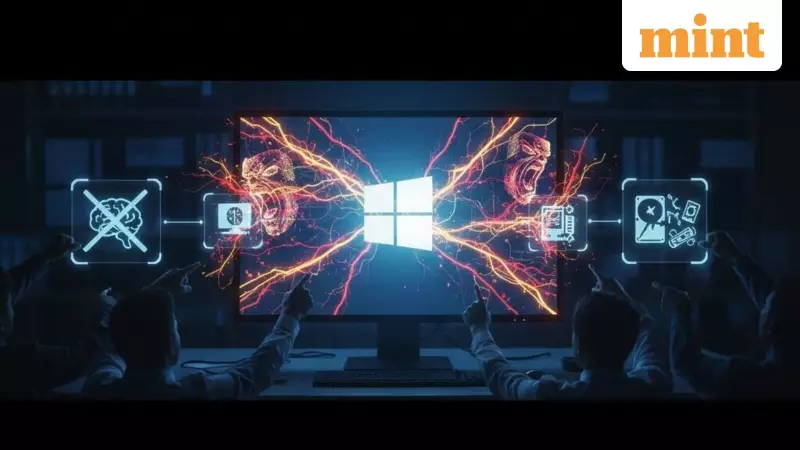
Microsoft's ambitious plan to transform its Windows operating system into an AI-powered 'agentic OS' has triggered a significant wave of user frustration and developer concern. Announced recently, this vision for a system where artificial intelligence makes decisions and automates tasks on a user's behalf has been met with a clear message from the community: focus on fixing the basics first.
A Familiar Pattern of Skepticism
The concept of an operating system that acts as an autonomous agent is not entirely new for Microsoft. The company has a history of integrating smarter automation into Windows, starting with features like Cortana and Timeline, and more recently, with AI-powered search and suggestions. However, each of these rollouts has been met with a degree of skepticism from a core user base that primarily desires a simple, reliable desktop experience.
This skepticism is rooted in past updates. Windows 10 updates often frustrated users with intrusive privacy changes and forced reboots. The transition to Windows 11 brought its own challenges, including shifted hardware requirements and frequent user interface tweaks. Throughout these evolutions, common pain points such as sluggish performance, buggy drivers, and settings buried deep within menus have often persisted, leaving many to feel their core concerns are unaddressed.

The Latest Outcry: Louder and Clearer
The latest announcement, unveiled by Pavan Davuluri, Microsoft’s Windows and Devices head, has amplified these existing grievances. On mainstream forums and social media platforms, users have been quick to voice their objections to the AI pivot. A prevailing sentiment is that this is a solution for a problem that doesn't exist. “No one wants this,” and “No one asked for it” are common refrains, highlighting a deep-seated desire for stability and transparency over new, unproven features.
Many users expressed a clear distrust of automation, a feeling compounded by years of forced updates and unpredictable system behavior. The idea of a system that acts without their explicit involvement is being met with resistance. Beyond general users, seasoned developers have also aired significant concerns. They warn that powerful, AI-driven automation could introduce new security vulnerabilities and make the process of troubleshooting complex system issues considerably more difficult.
Is Microsoft Listening to the Feedback?
In response to the growing backlash, Pavan Davuluri took to X to state that the Windows team cares about developers and understands the “work to do” in making Windows faster, leaner, and more reliable. Despite this assurance, the online community on platforms like Reddit and X remains largely unconvinced. Users are calling for tangible action that translates into fewer bugs, an end to forced updates, and more control for those running older hardware or requiring stable environments for professional work.
This debate transcends a single product announcement. It points to a recurring pattern where users feel that ambitious technological shifts come at the cost of reliability and usability. When new features disrupt muscle memory, break software compatibility, or add to system bloat, user frustration is a natural consequence. While the agentic AI-fication of Windows could potentially redefine computing, Microsoft faces a critical challenge in balancing its future vision with the present-day need for a robust, predictable, and high-performing operating system that its vast user base can trust.