Nearly half of American adults under the age of 50 are turning to health influencers, podcasts and social media content for medical advice, according to a recent survey by the Pew Research Center. This trend raises concerns that many may be relying on information from individuals without formal healthcare qualifications.
Survey Findings on Health Content Consumption
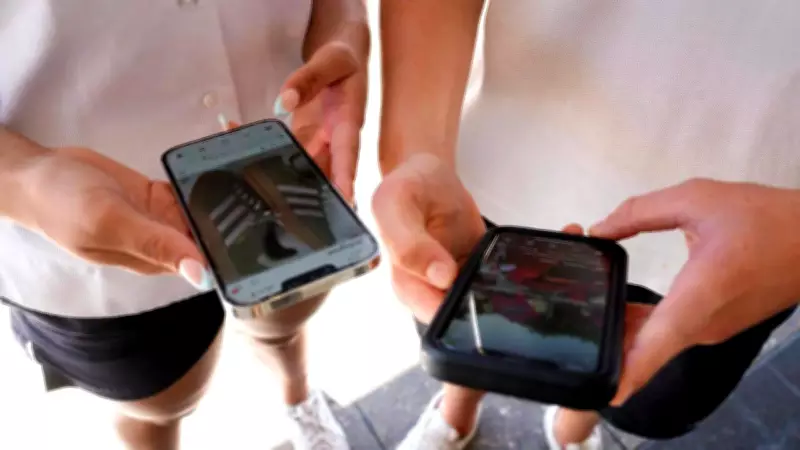
The survey found that about 50% of US adults under 50 consume health-related content from influencers on platforms such as TikTok, Instagram and YouTube when trying to improve their health. Many respondents reported encountering such content while browsing social media rather than actively searching for medical information.
Pew's analysis also revealed that while some health influencers present themselves as healthcare experts, most do not have professional medical backgrounds. Instead, many creators draw on personal experiences such as weight-loss journeys, chronic illnesses or caregiving responsibilities when offering health advice to their audiences.

Demographics of Health Influencers and Audiences
According to the survey, women account for roughly two-thirds of health influencers and are more likely to highlight personal experiences as a source of credibility. Female creators were three times as likely as male influencers to mention being a mother, and male influencers were three times as likely to mention being a father. The findings also showed that Black, Hispanic and Asian Americans, along with people without health insurance, are particularly likely to seek health information from influencers. Researchers noted that these groups have historically faced barriers to accessing healthcare and engaging with traditional medical institutions.
Concerns About Misinformation
The growing popularity of social media-based health advice has prompted concerns among healthcare professionals about the spread of inaccurate or misleading information online. Dr Alok Patel, a physician at Stanford Children's Health, told ABC News in response to the survey findings: "We need to do a better job of reaching our patients where they are and building trust and being out in the community and being available digitally."
The trend comes amid broader concerns about declining trust in healthcare professionals and institutions. Studies cited in the report suggest that misinformation continues to influence health decisions, particularly among younger generations.
Declining Trust in Medical Professionals
Previous research has shown that seven in 10 people around the world believe at least one debunked health myth, while nearly half of Gen Z patients have ignored advice from doctors, choosing instead to follow recommendations from friends or sources on social media. The rise of influencer-led health information has also been accompanied by a decline in trust in medical professionals since the COVID-19 pandemic. Gallup polling shows that public trust in doctors' ethics has fallen by 14 percentage points since 2021 to its lowest level since the mid-1990s.
Data from Gallup indicate that fewer than 50% of American adults consider their healthcare excellent or good, compared to 2020 when the share was 10 percentage points higher. The findings highlight the challenges of getting reliable medical information to people online and point to the growing influence of social media on health decisions, researchers and health experts say.