

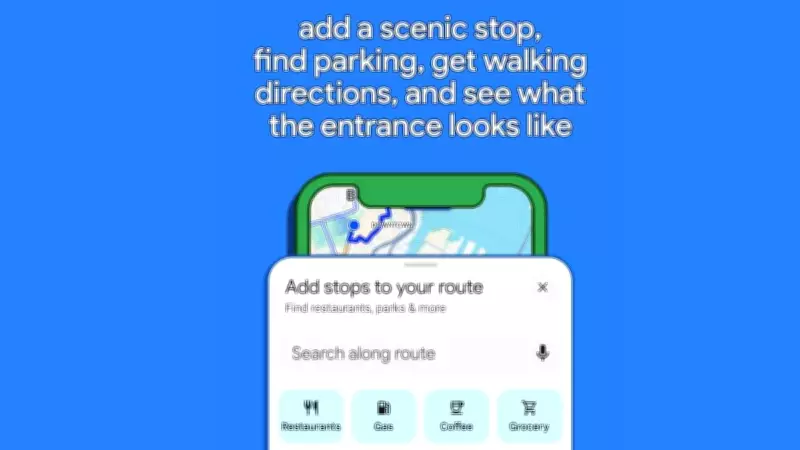
In a significant upgrade aimed at enhancing urban mobility, Google Maps has officially integrated its advanced Gemini artificial intelligence model into the navigation features for walking and cycling. This move is designed to provide users with more intelligent, personalized, and efficient route suggestions, leveraging AI to analyze real-time data and user preferences.
Enhanced Navigation with AI-Powered Insights
The integration of Gemini AI into Google Maps marks a pivotal step in making pedestrian and cyclist navigation smarter. Unlike traditional mapping tools that rely on static algorithms, Gemini utilizes machine learning to process vast amounts of data, including traffic patterns, weather conditions, and user behavior. This allows the app to offer dynamic route adjustments, such as suggesting quieter streets for cyclists or shaded paths for walkers during hot days.
Key Features of the Gemini Integration
Users can now expect a more tailored experience with several new functionalities. For instance, the AI can predict potential obstacles like construction zones or crowded areas and reroute accordingly. Additionally, it provides real-time updates on elevation changes, making it easier for cyclists to plan their journeys based on fitness levels. The system also learns from individual user habits, gradually improving its suggestions over time.

Impact on Urban Commuting and Sustainability
This update is particularly relevant in the context of growing urban populations and the push towards sustainable transportation. By optimizing walking and cycling routes, Google Maps aims to encourage eco-friendly travel options, reducing reliance on motor vehicles. Experts suggest that such AI-driven enhancements could lead to decreased congestion and lower carbon emissions in metropolitan areas.
User Experience and Accessibility
The Gemini AI integration is designed to be user-friendly, with intuitive interfaces that cater to both novice and experienced navigators. Features like voice-guided directions and offline map support ensure accessibility even in areas with poor internet connectivity. Google has emphasized that privacy remains a priority, with data anonymization techniques in place to protect user information.
Overall, the addition of Gemini AI to Google Maps for walking and cycling navigation represents a forward-thinking approach to digital mapping. It not only enhances convenience for daily commuters but also aligns with global trends in smart city development and environmental consciousness. As AI technology continues to evolve, such innovations are expected to become standard in navigation apps worldwide.






