Google Introduces Long-Awaited Gmail Username Change Feature
In a significant update to its email service, Google has officially enabled Gmail users to modify their usernames, a move that addresses years of user frustration over embarrassing or outdated email addresses. This new functionality allows individuals to alter their Gmail identifiers without the risk of losing any existing data, contacts, or email history, marking a pivotal shift in the platform's user management capabilities.
Addressing a Persistent User Pain Point
For many Gmail account holders, the inability to change usernames has been a source of ongoing annoyance, particularly for those who created their accounts during younger years or under less thoughtful circumstances. Google's latest update directly tackles this issue by providing a seamless process to update email addresses, thereby eliminating the need for cumbersome workarounds like creating entirely new accounts.
The feature is designed to be user-friendly, ensuring that all associated data—including emails, attachments, and linked services—remains intact post-change. This development is seen as a response to long-standing feedback from the Gmail community, highlighting Google's commitment to enhancing user experience based on direct input.

Mixed Reactions Flood Social Media Platforms
The announcement has triggered a diverse range of responses across various online platforms. While a substantial segment of users has enthusiastically welcomed the update, labeling it as "most-needed" and long overdue, others have expressed sentiments ranging from impatience to outright indifference.
Positive feedback centers on the practical benefits, with many users celebrating the opportunity to finally shed cringe-worthy usernames that no longer reflect their personal or professional identities. Conversely, critical voices argue that the feature arrives too late for some, or question its necessity in an era dominated by alternative communication tools.
Memes and Nostalgia Dominate Online Conversations
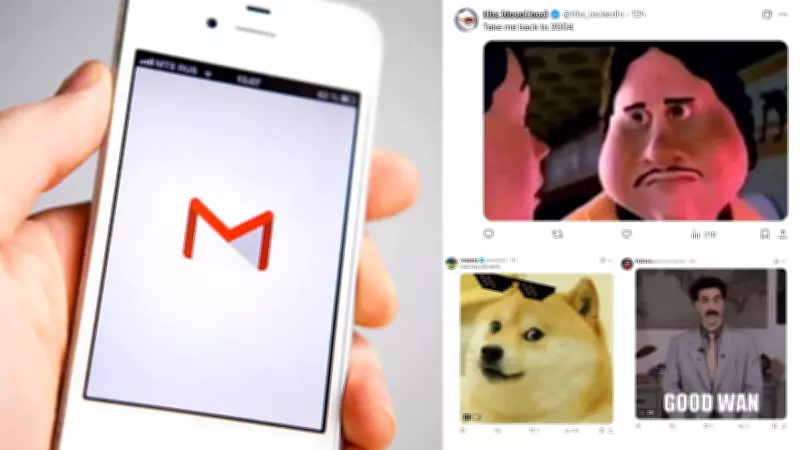
In true internet fashion, the news has spawned a wave of memes and nostalgic discussions on social media. Users are sharing humorous anecdotes about their old usernames, reminiscing about early internet days, and creating viral content that pokes fun at the timing of Google's release.
This cultural response underscores how deeply personal digital identities have become, with email addresses often serving as time capsules of past selves. The memes not only entertain but also reflect broader societal attitudes toward technology, privacy, and self-presentation in the digital age.
As the feature rolls out globally, it remains to be seen how widely it will be adopted and whether it will influence user retention or attract new sign-ups. For now, Google's move has successfully ignited a lively online debate, blending technical innovation with pop culture commentary.