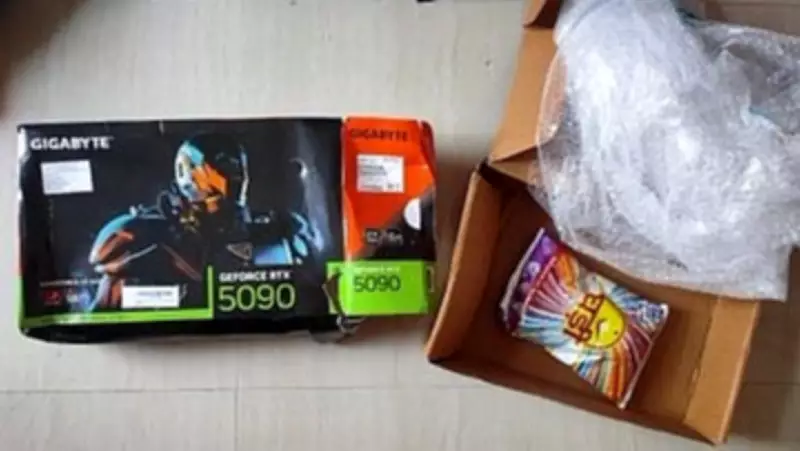
Startup Founder Scammed: Rs 2.9 Lakh Graphics Card Replaced with Ghadi Detergent on Amazon
In a shocking incident that has gone viral on social media, a man ordered a high-end graphics card worth Rs 2.9 lakh from Amazon but received a 1kg pack of Ghadi detergent instead. The victim, identified as Swagat Nayak, placed the order for a GIGABYTE RTX 5090 graphics card, intended for use in his startup, through Amazon India's platform. The item was listed as "Fulfilled by Amazon" (FBA), meaning it was stored and shipped directly from an Amazon warehouse, raising serious concerns about the e-commerce giant's quality control and security measures.
Viral Social Media Reactions Highlight the Absurdity
The incident came to light when Nayak shared his ordeal on X (formerly Twitter), posting a photo of the Ghadi detergent pack with the caption detailing the scam. His tweet quickly garnered widespread attention, with netizens reacting with a mix of sympathy and humor. One user commented, "Sorry to laugh at your misfortune but… Ghadi detergent. The thief had a sense of humor," highlighting the ironic twist in the substitution. Another user quipped, "Your time is not right. Got 'Ghadi' wrongly," playing on the detergent brand's name to underscore the unfortunate timing and error.
Further reactions poured in, with some users expressing disbelief and others mocking the situation. A post from Anderson Gaming questioned, "5090 for a startup?" implying skepticism about the high-end purchase, while Racheal shared a shocked response with "Ain’t no way??" accompanied by an image of the detergent. The viral nature of these posts has amplified the issue, drawing attention to broader problems in online retail, such as fraud and mishandling of expensive items.

Consumer Rights and Amazon's Accountability Under Scrutiny
This case has sparked a significant debate over consumer rights and the responsibilities of e-commerce platforms like Amazon. As the order was fulfilled by Amazon, questions are being raised about how such a blatant substitution could occur within their warehouse system. Consumers are calling for stricter verification processes and better protection against scams, especially for high-value purchases. The incident serves as a cautionary tale for online shoppers, emphasizing the need to verify sellers and report discrepancies immediately.
Amazon has yet to issue a detailed public statement, but the victim has tagged @AmazonHelp in his posts, seeking resolution. This event underscores the vulnerabilities in digital marketplaces and the importance of robust customer support mechanisms. As the story continues to trend, it highlights the growing concerns over trust and safety in the rapidly expanding e-commerce sector in India.