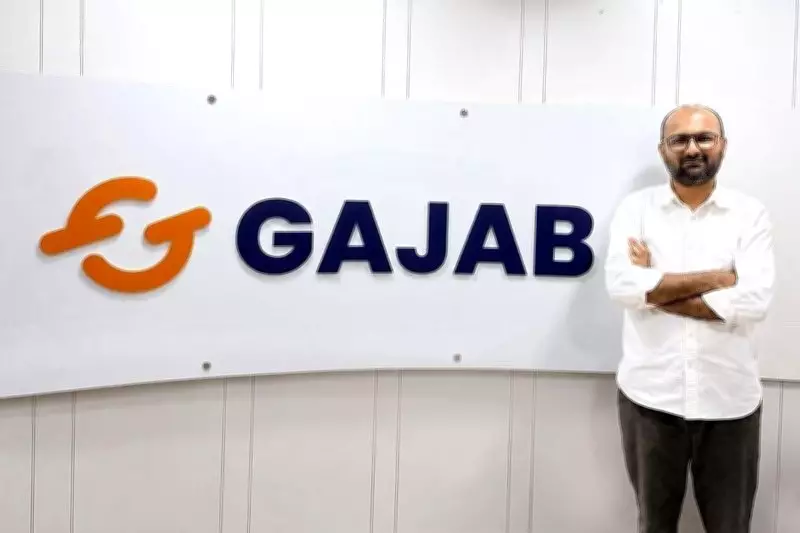
A new e-commerce platform, Gajab.com, is challenging the fixed-price model of Indian online retail by reintroducing bargaining, a practice deeply rooted in the country's traditional markets. Launched in beta across India, the platform allows buyers to submit their own price for products, which sellers can accept or counter through an automated engine.
The Bargaining Gap in Indian E-Commerce
India's retail market, valued at $940 billion, remains largely unorganised, with over 80% of transactions occurring in local stores and street markets where bargaining is standard. Despite India being the world's third-largest market for online shoppers, e-commerce platforms have largely ignored this cultural norm. A PwC survey found that 66% of Indian consumers use smartphones to research competitive prices before purchasing, yet they cannot negotiate online.
Current e-commerce focuses on convenience—fast delivery, easy payments, and one-click checkouts—but removes the buyer's ability to influence pricing. Discounts and coupons are platform-controlled, leaving shoppers passive. International platforms like eBay have long included offer mechanisms, but Indian e-commerce has not adopted them.

Founder's Insight
Shahnawaz Merchant, founder of Gajab, observed this gap while selling on international platforms. He noted that buyers in other countries could submit offers, but Indian platforms offered no such feature. Gajab aims to change that by letting buyers propose a 'Mera Right Price'—a play on MRP (Maximum Retail Price).
How Gajab Works
Available on Android, iOS, and the web, Gajab allows buyers to submit offers on listed products. An automated bargaining engine evaluates each offer against the seller's floor price and parameters, completing the process in under 30 seconds. Sellers set their minimum price and bargaining range at listing. The platform launched with 5,000 SKUs across toys and games, home and kitchen, and stationery, targeting 25,000 SKUs within the first quarter.
These categories were chosen because they involve price-sensitive purchases: toys for occasions, and home/kitchen and stationery for repeat buying where comparison shopping is common.
Early User Feedback
Beta users reported positive experiences. Goutham from Bangalore said, 'Finding a bargain feature like this online was a complete surprise. I loved my first bargain and placed my order right away.' Seller Sagar Navapara of Unique International added, 'I got my first order within three days of going live on Gajab. It is the easiest marketplace I have listed on.'
The Bigger Picture
With Tier 2 and Tier 3 cities now accounting for over 60% of e-commerce transactions in India, according to Deloitte and FICCI data, the demand for bargaining is growing. These consumers haggle daily in physical retail but find no such option online. Gajab aims to bridge this divide, asking India to shop like itself rather than adopting a foreign model.
Disclaimer: This content is sourced from a syndicated feed and is published as received. The Tribune assumes no responsibility or liability for its accuracy, completeness, or content.