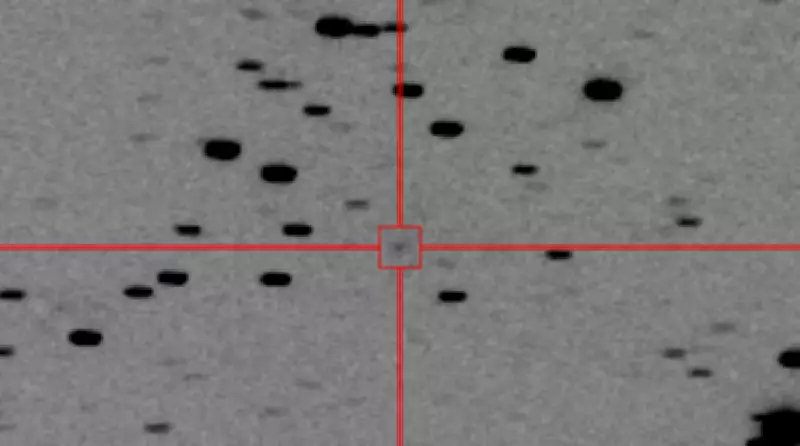
Comet C/2026 A1 Nears the Sun: Key Details on Visibility from India
Comet C/2026 A1, the first comet discovered in the year 2026, is currently making its approach towards the Sun, sparking interest among astronomers and skywatchers worldwide. This celestial object, classified as a 'Sun-grazer' due to its close proximity to our star, is presently located approximately 191 million kilometres from Earth within the constellation Eridanus. As it continues on its trajectory, questions arise about whether this rare event will be observable from regions in India.
Discovery and Current Position of Comet C/2026 A1
The comet was identified early in 2026, marking a significant milestone in astronomical observations for the year. Its current distance from Earth places it in a prime position for study, with experts monitoring its path closely. The constellation Eridanus serves as its backdrop, providing a reference point for tracking its movement across the night sky.
What is a 'Sun-grazer' Comet and Its Implications?
A 'Sun-grazer' comet is defined by its orbit that brings it exceptionally close to the Sun, often resulting in dramatic changes such as increased brightness or potential disintegration due to solar heat. For Comet C/2026 A1, this approach could enhance its visibility if conditions align favorably. Scientists are analyzing data to predict how its brightness might evolve as it nears the Sun, which is crucial for determining observation opportunities.

Visibility Prospects from India: Factors to Consider
For observers in India, several factors will influence whether Comet C/2026 A1 can be seen with the naked eye or through telescopes. These include:
- Timing and Trajectory: The comet's exact path and speed as it approaches the Sun will dictate when and where it becomes visible from Earth.
- Atmospheric Conditions: Local weather, light pollution, and clarity of skies in different Indian regions play a significant role in observation quality.
- Brightness Levels: As a Sun-grazer, the comet may brighten significantly, but this depends on solar interactions and its composition.
Astronomical organizations in India are advising enthusiasts to stay updated with real-time tracking information, as visibility windows could be brief and dependent on optimal celestial alignments.
Scientific Significance and Future Observations
This event offers a valuable opportunity for scientific research, particularly in studying comet behavior near the Sun. Data collected could shed light on the composition and dynamics of such objects, contributing to broader understanding of our solar system. Ongoing observations will help refine predictions and provide insights into potential future appearances or similar celestial phenomena.
As Comet C/2026 A1 continues its journey, skywatchers in India are encouraged to monitor official astronomical updates for the latest on visibility chances and viewing tips.