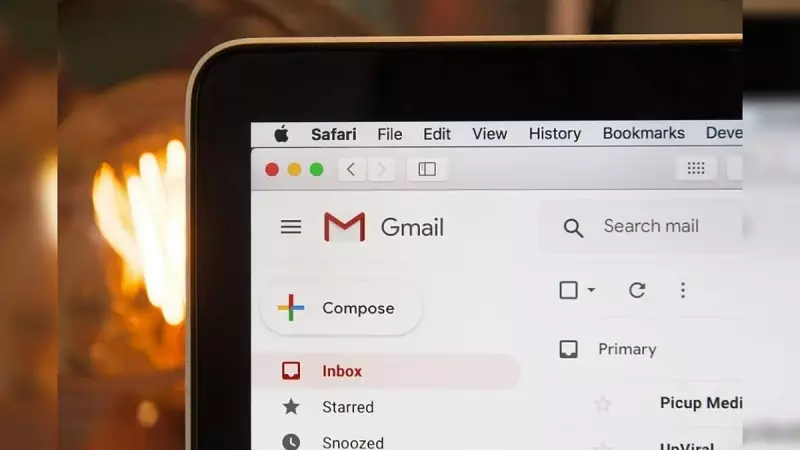
In a significant move addressing a long-standing user request, Google has announced that its users can now change their primary Gmail ID without the fear of losing their existing data. This pivotal update, confirmed on 30 December 2025, marks the end of an era where users were stuck with outdated or undesirable email addresses linked to their entire Google ecosystem.
How the New Gmail ID Change Feature Works
The core of this new functionality is its seamless integration. Once a user successfully changes their primary email address, they will retain full access to all their existing information, including years of emails, contacts, and files. Crucially, users will be able to sign in to all major Google services using either their old or their new email address. This applies to essential platforms like Gmail itself, Google Maps, YouTube, and Google Drive, ensuring a smooth transition without disruption to daily digital life.
Gradual Rollout and User Implications
Google has stated that this feature will roll out gradually to its vast user base. This phased approach is standard for the tech giant to monitor performance and fix any potential issues before a global release. For millions in India and worldwide, this update solves a critical pain point. It allows individuals to finally adopt a more professional email alias, correct old typos, or simply update their digital identity without the monumental hassle of manually migrating data to a brand-new account.

The implications are substantial for both personal and professional users. People who created their Gmail IDs in their youth can now switch to a more formal address for job applications and business communications. Furthermore, it enhances account security by allowing users to move away from compromised or easily guessable old addresses while maintaining their digital history and purchased content.
A Long-Awaited Solution for Digital Identity
This update underscores Google's focus on user flexibility and digital identity management. By decoupling the immutable link between a user's chosen email address and their account data, Google provides a level of freedom previously seen only with custom domain emails. It acknowledges that a person's online identity can evolve over time. While the exact steps to initiate the change are part of the gradual rollout, this announcement sets a new standard for account management among major tech platforms, putting user convenience at the forefront.