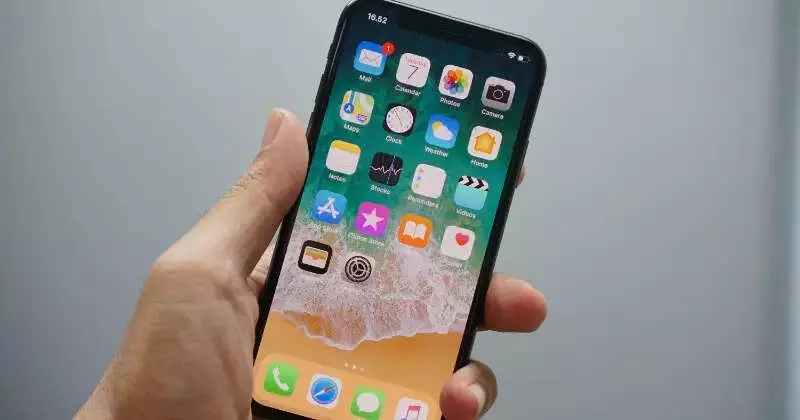
In a significant regulatory development, Apple has reached a settlement with Brazil's competition authority, agreeing to dismantle key restrictions on its iOS ecosystem within the country. The move concludes a three-year antitrust investigation and mandates the tech behemoth to permit third-party app stores and external payment systems on iPhones and iPads.
The Settlement Terms and Timeline
The Administrative Council for Economic Defense (CADE), Brazil's competition watchdog, has given Apple a strict 105-day window to implement the required changes. Failure to comply could result in substantial penalties, with potential fines reaching up to $27 million. The core requirements of the settlement are clear and transformative for the Brazilian market.
Apple must now allow developers to distribute their applications through channels other than the official App Store. Furthermore, the company is compelled to let app makers link to external payment options from within their apps and permit alternative payment methods to coexist with Apple's own in-app purchase system. A crucial clause mandates that any user-facing warnings about these new options must use neutral and objective language, designed not to deter or mislead users.

Background and Global Context
The investigation was triggered back in 2022 following a formal complaint by MercadoLibre, the Latin American e-commerce titan. The grievance challenged Apple's restrictive policies, including the mandatory use of its payment processing system and the limitations on how apps could be distributed to users.
With this settlement, Brazil joins a growing list of jurisdictions—including the European Union, Japan, and South Korea—that have forced Apple to open its walled garden. Regulatory pressure is intensifying globally, with similar scrutiny underway in the United Kingdom and Australia. In the United States, changes are also being enforced through court rulings stemming from the high-profile lawsuit with Epic Games.
Apple's Fee Structure Remains
Despite opening its ecosystem, Apple will continue to collect commissions. According to reports from Brazilian tech publication Tecnoblog, the new framework maintains a multi-tiered fee structure. Apple will charge a 25% commission on standard App Store purchases. For transactions processed via external payment systems accessed through buttons or links inside apps, the fee reduces to 15%. Notably, apps distributed through alternative app marketplaces will be subject to a 5% Core Technology Commission.
Apple's Response and Security Concerns
In a statement responding to the settlement, Apple issued a cautionary note. The company warned that the mandated changes "will open new privacy and security risks to users." However, Apple also stated it has "worked to maintain protections against some threats," highlighting that important safeguards for younger users would remain in place.
This agreement marks another notable setback for Apple's traditionally closed ecosystem model, as antitrust authorities worldwide increasingly label its App Store policies as anti-competitive. Apple now has until early April 2026 to finalise and roll out the implementation details, likely bundled within a future iOS update, to meet its 105-day compliance deadline in Brazil.