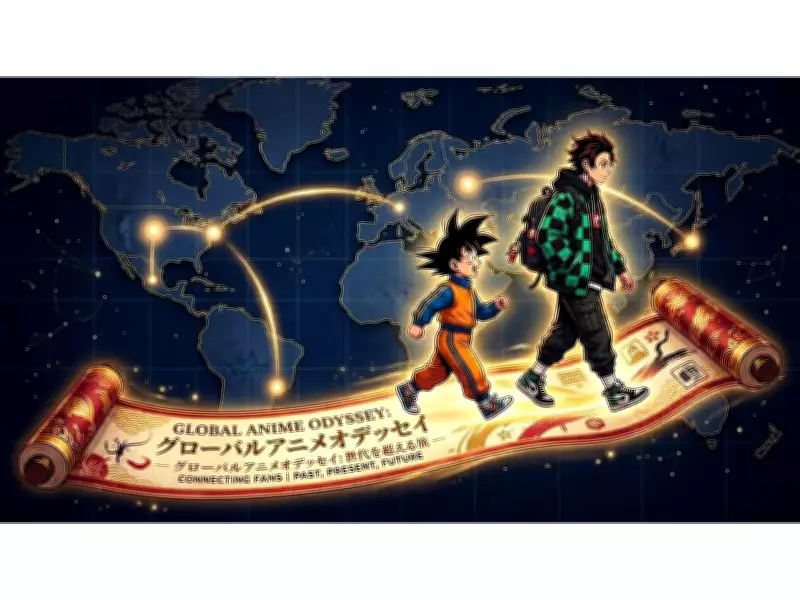
Anime, once a niche subculture confined to Japan, has exploded into a global phenomenon, reshaping entertainment and cultural norms for a new generation. From its early days with classics like 'Astro Boy' to modern blockbusters such as 'Demon Slayer' and 'Attack on Titan,' anime has captured the hearts of millions worldwide. This article explores how anime is rewriting global culture, one generation at a time.
The Rise of Anime Worldwide
Anime's journey from local to global began in the 1960s with the export of shows like 'Speed Racer' and 'Astro Boy.' However, it was the internet era that truly accelerated its reach. Streaming platforms like Crunchyroll, Netflix, and Funimation have made anime accessible to a global audience, breaking language and cultural barriers. Today, anime conventions draw hundreds of thousands of fans in cities from Los Angeles to Tokyo, showcasing the medium's universal appeal.
Cultural Impact on Youth
Anime has a profound influence on young people's values and aesthetics. Themes of perseverance, friendship, and self-discovery resonate deeply. Shows like 'Naruto' and 'My Hero Academia' inspire viewers to overcome adversity, while 'Studio Ghibli' films like 'Spirited Away' emphasize environmentalism and empathy. This has led to a generation that embraces Japanese concepts like 'ganbatte' (do your best) and 'omotenashi' (hospitality).

Economic and Industry Influence
The anime industry is now a multi-billion-dollar global enterprise. In 2023, the global anime market was valued at over $30 billion, with projections to exceed $50 billion by 2030. This growth has spurred collaborations between Japanese studios and Western giants like Netflix and Disney. Additionally, anime has boosted tourism to Japan, with fans visiting real-life locations featured in their favorite shows.
Anime in Fashion and Art
Anime's visual style has permeated fashion and art. High-end brands like Gucci and Louis Vuitton have collaborated with anime franchises, while streetwear brands feature iconic characters. Artists worldwide incorporate anime aesthetics into their work, blurring the lines between high and popular culture. The 'kawaii' (cute) culture has also influenced global fashion trends, from colorful hair to oversized accessories.
Challenges and Criticisms
Despite its success, anime faces challenges. Critics point to issues like over-sexualization of characters, especially in certain genres, and the pressure on animators due to demanding work schedules. Additionally, cultural appropriation concerns arise when non-Japanese creators adopt anime styles without proper context. However, the industry is evolving, with more diverse storytelling and improved working conditions.
The Future of Anime
As technology advances, anime is embracing new frontiers. Virtual reality and AI-generated animation are opening up possibilities for immersive experiences. Moreover, the rise of original net animations (ONAs) and webcomics is democratizing creation, allowing independent artists to reach global audiences. With its ability to adapt and innovate, anime is poised to continue rewriting global culture for generations to come.
In conclusion, anime is more than just entertainment; it is a cultural force that shapes how we see the world and ourselves. By blending Japanese traditions with universal themes, it has created a shared language for a global generation. As it evolves, anime will undoubtedly keep pushing boundaries, inspiring creativity, and connecting people across borders.