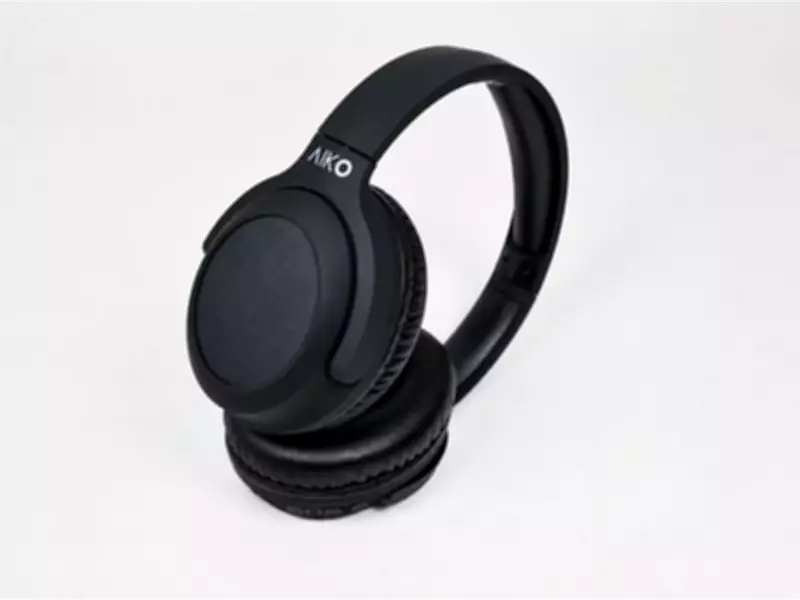
Solar power has become a familiar part of modern life, from rooftop installations and street lighting systems to large-scale renewable energy projects. Yet despite the rapid growth of solar adoption worldwide, one area remains largely unexplored: everyday consumer electronics.
The Untapped Potential of Solar in Consumer Gadgets
For decades, smartphones, headphones, smartwatches, and other portable devices have relied almost entirely on conventional charging methods. As batteries become more efficient and charging speeds continue to improve, manufacturers have focused on making devices last longer rather than fundamentally changing how they are powered. A growing number of innovators, however, are asking a different question: what if everyday electronics could generate at least some of their own energy?
Among the companies exploring that possibility is AIKO Technologies, a technology firm working at the intersection of renewable energy and consumer electronics. The company has attracted attention for its efforts to integrate solar charging capabilities into portable audio devices, a segment that could offer an early glimpse into how self-sustaining consumer technology might evolve in the coming years.

How Solar Integration Works
The idea itself is straightforward. Solar energy is one of the world's most abundant resources, available in varying degrees across nearly every geography. Yet most consumer devices remain disconnected from this resource, requiring users to depend on power outlets, charging cables, and power banks. AIKO's approach seeks to bridge that gap by incorporating solar harvesting technology directly into consumer products.
The concept comes at a time when battery anxiety remains a common concern among consumers. Despite advancements in battery technology, many users still find themselves searching for charging points while travelling, working remotely, or spending extended periods outdoors. As digital lifestyles become increasingly mobile, the demand for alternative power solutions continues to grow.
Industry experts believe this challenge could create opportunities for solar-assisted consumer electronics. Rather than replacing traditional charging methods entirely, solar integration can act as a supplementary energy source, helping extend battery life and reduce charging frequency.
AIKO Technologies: Pioneering Sustainable Audio Innovation
This is the space where AIKO Technologies has chosen to position itself. Founded with a focus on sustainable innovation, the company has been developing products that combine renewable energy concepts with modern consumer technology. Its work is centred around a broader vision that renewable energy should not be limited to infrastructure projects but should also become part of the devices people use every day.
One of the company's most visible initiatives is its solar-powered audio technology platform. Through its POLY product line, AIKO is exploring how headphones can utilise ambient light and sunlight to supplement battery performance. While such products still rely on conventional charging, the addition of solar energy harvesting represents a significant shift in how portable electronics are designed and used.
Market Trends Favoring Solar-Powered Electronics
The timing may be favourable. Consumer awareness around sustainability has increased considerably over the past decade. Environmental considerations are no longer confined to government policy or corporate sustainability reports; they are increasingly influencing purchasing decisions across industries. In consumer electronics, this shift is evident in growing interest around recyclable materials, energy-efficient devices, repairability, and environmentally responsible manufacturing. Solar-powered consumer technology represents a natural extension of that trend.
What makes AIKO's efforts particularly interesting is that the company is targeting a category where energy consumption is relatively manageable. Audio devices, compared to smartphones or laptops, require less power, making them a practical starting point for solar integration. Success in such categories could potentially open the door for broader adoption across wearables, fitness devices, smart accessories, and Internet of Things products.

Technological Advancements Enabling Solar Integration
Technological advancements are helping make these possibilities more realistic than they might have seemed a decade ago. Modern photovoltaic materials have become lighter, more efficient, and more adaptable. Engineers today can incorporate solar cells into compact products without dramatically altering their appearance or functionality. At the same time, improvements in power management systems allow devices to utilise harvested energy more effectively than previous generations of technology.
The broader market is also moving in a direction that supports experimentation. According to industry estimates, the global wearable technology market continues to expand rapidly, while demand for wireless audio products remains strong. Manufacturers are increasingly searching for features that differentiate their offerings in highly competitive categories. Solar charging capabilities could emerge as one such differentiator.
Relevance for India
For India, the concept carries particular relevance. The country receives substantial sunlight throughout much of the year and has become one of the world's fastest-growing renewable energy markets. Government initiatives promoting clean energy adoption have accelerated awareness around solar technology, creating an environment where consumers are increasingly familiar with the benefits of renewable power. While rooftop solar and utility-scale projects dominate discussions around clean energy, consumer-focused applications remain relatively underdeveloped. Companies such as AIKO Technologies are attempting to change that narrative by bringing solar technology into products that consumers interact with daily.
Challenges and Future Outlook
Of course, challenges remain. Solar-powered consumer electronics are still at an early stage of development. Factors such as energy conversion efficiency, manufacturing costs, weather dependence, and consumer education will play important roles in determining whether these products achieve widespread adoption. The technology is unlikely to eliminate charging cables in the near future. However, industry observers argue that the goal does not necessarily have to be complete energy independence. Even modest improvements in battery performance and reductions in charging frequency can deliver meaningful benefits for users while contributing to broader sustainability objectives.
As renewable energy technologies continue to mature, the distinction between power generation and consumer electronics may become increasingly blurred. Products capable of generating part of their own energy could eventually become a standard feature rather than a niche innovation. Whether solar-powered audio devices become mainstream remains to be seen. What is clear, however, is that companies like AIKO Technologies are helping expand the conversation around what renewable energy can achieve beyond traditional applications. In doing so, they are offering a glimpse into a future where consumer electronics are not merely powered by energy but actively participate in generating it.
Disclaimer: The above press release has been provided by VMPL. The Tribune assumes no responsibility or liability for its accuracy, completeness, or content.