The Women's Tennis Association (WTA) has taken a firm stance in defense of player privacy following mounting criticism over surveillance cameras at the Australian Open. In a strongly worded statement, the governing body acknowledged the legitimate concerns raised by top athletes and pledged to address the issue with tournament organizers.
WTA's Official Response to Privacy Concerns
The WTA supports its players and takes their concerns about privacy and cameras at the Australian Open very seriously, the organization declared. Players deserve spaces away from competition where they can rest in complete privacy. The statement emphasized that the WTA has already implemented measures at its own events to limit camera presence in non-competition areas and is now urging Australian Open organizers and broadcast partners to establish clear and respectful boundaries.
Incident That Sparked the Controversy
The privacy debate intensified after American tennis star Coco Gauff's quarter-final loss to Elina Svitolina in Melbourne. Following her elimination, Gauff was filmed smashing a racket in the tunnels of Melbourne Park, with the footage quickly circulating online. This incident mirrored a similar situation involving Aryna Sabalenka during the 2023 US Open final, reigniting discussions about appropriate camera access beyond the tennis court.

Players Voice Their Concerns
Several prominent players have spoken openly about their discomfort with the current surveillance situation:
- Coco Gauff expressed significant discomfort with the lack of privacy in locker room and tunnel areas
- Jessica Pegula described the camera presence as a violation of privacy
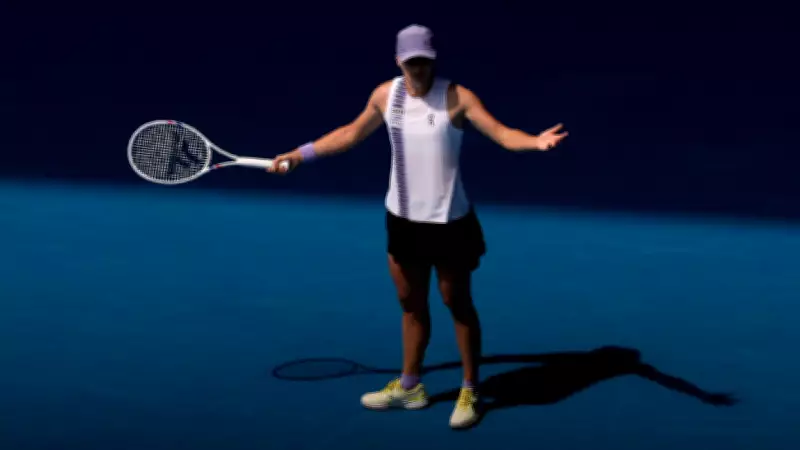
- Iga Swiatek, the world No. 2, offered a powerful comparison, saying players sometimes feel like animals in the zoo, constantly observed even during vulnerable moments
WTA Leadership Weighs In
WTA President Valerie Camillo reinforced the organization's position, calling the players' concerns completely legitimate. This is a very human and fair demand, Camillo stated. Athletes need spaces where they can rest without feeling constantly watched. Providing them this space is part of our responsibilities as a sport. She emphasized the WTA's commitment to listening to players and taking action when concerns are raised.
Moving Forward with Solutions
The WTA has announced plans to engage in dialogue with both players and tournament organizers to find appropriate solutions. The organization highlighted its existing efforts to reduce camera presence in non-competition areas at WTA events and called for similar standards to be implemented at all major tournaments. This proactive approach aims to balance media coverage needs with athletes' fundamental right to privacy during emotionally charged moments away from competitive play.