Coco Gauff's Raw Emotion Sparks Tennis-Wide Privacy Revolt
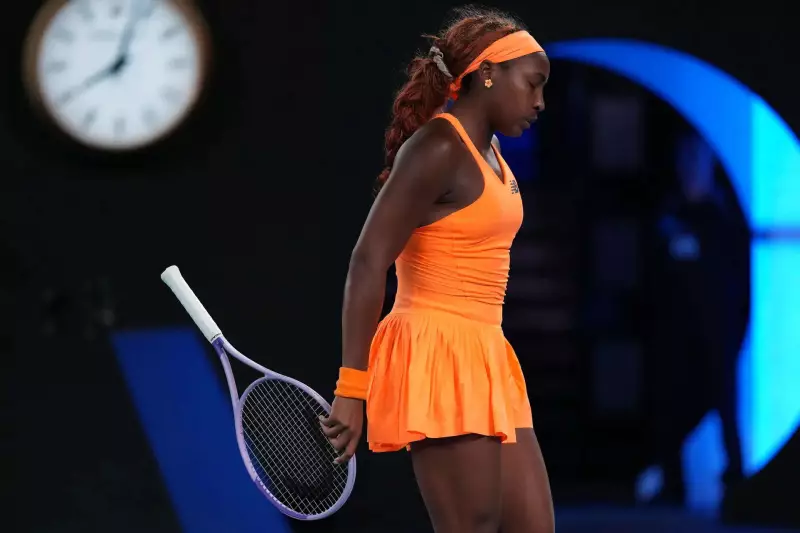
The Australian Open witnessed more than just intense tennis matches this year—it became the epicenter of a growing player rebellion against what athletes describe as an alarming erosion of personal privacy during tournaments. The catalyst was third seed Coco Gauff's visible frustration following her quarter-final defeat, an incident that has united some of tennis's biggest names in a rare, collective stand.
The Viral Moment That Changed Everything
Deep within Melbourne Park's corridors, away from the public courts, Gauff was captured on camera smashing her racquet after her Tuesday loss. The footage spread rapidly across social media platforms, prompting the young American star to voice her discomfort publicly. "I tried to go somewhere where they wouldn't broadcast it, but obviously they did," Gauff revealed, highlighting what many players consider a breach of trust. "So maybe some conversations can be had because I feel like at this tournament the only private place we have is the locker room."
A day later, Gauff reinforced her position on social media, writing: "I'm a real person with real feelings. I care a lot & I'm trying my best. Thank you to those who understand that." This heartfelt message resonated deeply across the tennis community, transforming a personal moment into a professional movement.

Tennis Legends and Current Stars Rally Behind Gauff
The response from fellow players was immediate and powerful. Serena Williams, one of tennis's most iconic figures, publicly defended Gauff on X, posting: "Passion. Caring. Matters. Nothing wrong with hating to lose." This endorsement from a 23-time Grand Slam champion gave significant weight to the emerging privacy discussion.
World No. 2 Iga Swiatek, who also exited at the quarter-final stage, offered perhaps the most poignant critique, comparing the constant camera surveillance to being treated like zoo animals. "The question is, are we tennis players, or are we animals in the zoo?" Swiatek questioned. "It would be nice to have some privacy... some space where you can do that without the whole world watching."
Swiatek referenced her own recent experience when footage of her being denied access to an area at Melbourne Park for not wearing proper accreditation circulated widely online. "We're meant to be watched on the court and in the press. That's our job," she emphasized. "It's not our job to be a meme."
A Growing Chorus of Concern
Sixth seed Jessica Pegula, who advanced to the semi-finals, echoed these privacy concerns during her own media interactions. "Coco wasn't wrong when she said the only place that is private is the locker room, which is crazy," Pegula stated. "People were zooming in on players' phones. That's so unnecessary. It's really an invasion of privacy."
Amanda Anisimova added another perspective, acknowledging that while she tries to ignore constant scrutiny, Gauff's private moment should never have become public content. "She didn't have a say in that," Anisimova noted. "That's the tough part."
The Broader Implications for Professional Tennis
This unified player pushback represents more than just reaction to a single incident—it signals a potential turning point in how tournaments balance media coverage with athlete privacy. Players are increasingly questioning where the line should be drawn between public spectacle and personal space, between professional observation and invasive surveillance.
The Australian Open incident has highlighted several critical issues facing modern tennis professionals:

- The psychological impact of constant camera presence in supposedly private areas
- The ethical boundaries of broadcasting athletes' raw emotional moments
- The need for designated private spaces beyond locker rooms
- The responsibility of tournament organizers and broadcasters in protecting player privacy
As the debate continues to gain momentum, tennis authorities face increasing pressure to address these concerns. The collective voice emerging from Melbourne suggests that players are no longer willing to accept privacy invasions as an inevitable part of professional sports. This movement could potentially lead to policy changes affecting how tournaments worldwide manage athlete privacy, media access, and the delicate balance between entertainment and respect for competitors as human beings first, athletes second.