Aryna Sabalenka's Australian Open 2026 Semifinal Victory Overshadowed by Controversial Hindrance Call
The women's singles semifinal at the Australian Open 2026 between Elina Svitolina and Aryna Sabalenka was a match filled with intense rallies and political undertones, but it will be remembered for a controversial hindrance call that disrupted the flow of the game. Despite the controversy, Sabalenka emerged victorious with a 6-2, 6-3 win, advancing one step closer to her third Australian Open title in four years.
The Controversial Incident That Stopped Play
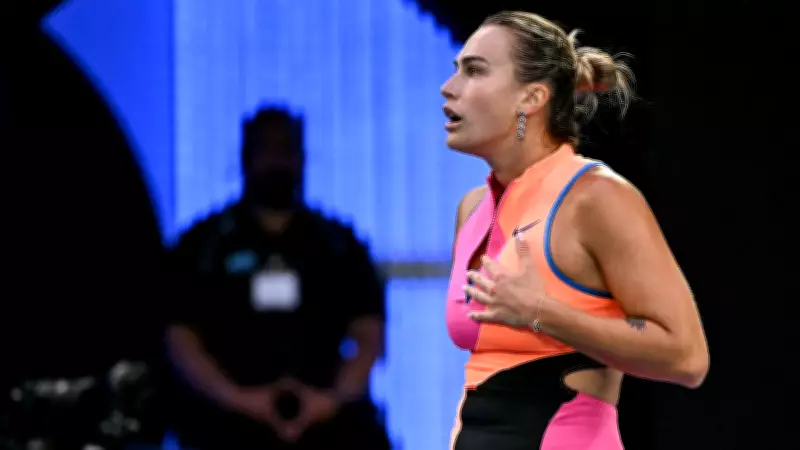
The incident occurred at the beginning of the fourth game in the first set while Svitolina was serving. As the rally intensified and Svitolina prepared for a return shot, the umpire abruptly paused the game, announcing over the microphone, "Stop, hindrance." This sudden halt surprised both players, with Sabalenka reacting with a confused "what." The world number one passionately requested a video review in an attempt to overturn the umpire's decision.
Defending her ruling, the umpire explained that Sabalenka had made an unexpected sound, stating, "You went, 'Uh-aya'. You don’t make the normal sound." This reasoning did not sit well with Sabalenka, leading to a heated conversation with the match official that left spectators at the Rod Laver Arena on the edge of their seats.

What Is a Hindrance Call in Tennis?
In tennis, a hindrance call refers to any action that disrupts an opponent's ability to play a point, as defined by ITF Rule 26. In this case, even Svitolina was taken by surprise by the call. Hindrance calls can be based on grunting, external noises, or physical movements. If the hindrance is deliberate, the opponent is awarded a point; if it is accidental, the point is replayed.
Sabalenka Cruises Past the Disruption
Despite the awkward disruption caused by the hindrance call, Sabalenka managed to cruise past Svitolina. Although she lost the point in question, she recovered in style, clinching the game in just 41 minutes. The hard-hitting 27-year-old displayed a determined mood on Thursday and is set to meet either Elena Rybakina or Jessica Pegula in the final.
This incident highlights the fine line between competitive play and rule enforcement in professional tennis, adding another layer of drama to an already politically charged encounter.