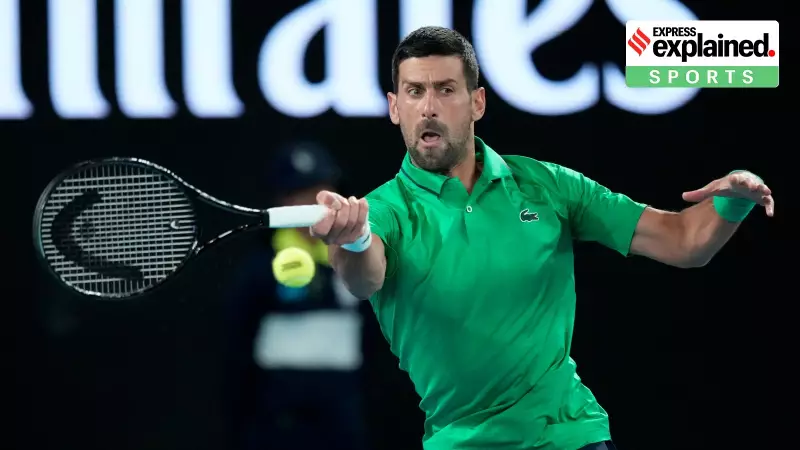
The Science and Superstitions Behind Novak Djokovic's Ageless Tennis Run
Novak Djokovic, at 38 years old, continues to dominate the tennis world with no visible signs of slowing down, as evidenced by his recent straight-sets victory over 23-year-old Italian qualifier Francesco Maestrelli at the Australian Open. His remarkable longevity in the sport has sparked widespread curiosity, often centered around his unconventional wellness practices that blend science with what some might call superstition.
Unconventional Wellness Practices: A Blend of Awe and Ridicule
Djokovic's approach to health and fitness has drawn both admiration and skepticism. In a post-match interview, he revealed his 20-year connection with a century-old Brazilian fig tree in Melbourne's Botanical Park, which he believes "heals wounds" and provides solace. He often hugs the tree's massive trunk and meditates under its canopy, a practice that has led some to hastily speculate about a secret fountain of youth. However, this is just one facet of his holistic regimen.
Nature, Spirituality, and Extreme Diets
Beyond the Melbourne tree, Djokovic seeks spiritual recharge in various natural settings. In London, he frequents a local Buddhist temple, sitting cross-legged in meditation. His fitness routines include sessions in a hypobaric pod and visits to Bosnian archaeological sites with pyramid-shaped hills, all aimed at regeneration. His diet is equally rigorous, avoiding ice water to maintain muscle blood flow and treating his kitchen like a biochemical lab where every ingredient is meticulously measured. A rare indulgence, such as a single cube of chocolate after a grueling match, highlights his disciplined approach.

Open-Mindedness and Holistic Influences
Djokovic attributes much of his success to an open-minded philosophy instilled by his childhood coach, Jelena Genčić, who emphasized mental well-being, fitness, and a holistic lifestyle. This mindset led him to embrace practices like yoga and pranayama, introduced by his wife Jelena, and Reiki healing, which he says helped him verbalize emotions and have internal conversations. During a career slump, guidance from former Spanish tennis player Pepe Imaz, focusing on "love and peace," reportedly restored his on-court ruthlessness.
The Gluten-Free Transformation and Scientific Skepticism
One of the most dramatic changes in Djokovic's career came when he adopted a gluten-free diet after a diagnosis by Dr. Igor Cetojevic, who identified wheat intolerance through an unconventional method involving bread on his stomach. Djokovic claims this made him feel lighter and extended his career, despite scientific debates. Ultimately, he adopts what resonates with him, whether labeled as tree-hugging or anti-vaccine, prioritizing personal conviction over conventional wisdom.
Written by Sandeep Dwivedi, this exploration delves into how Djokovic's blend of science and superstition fuels his ageless run, challenging norms in professional sports.