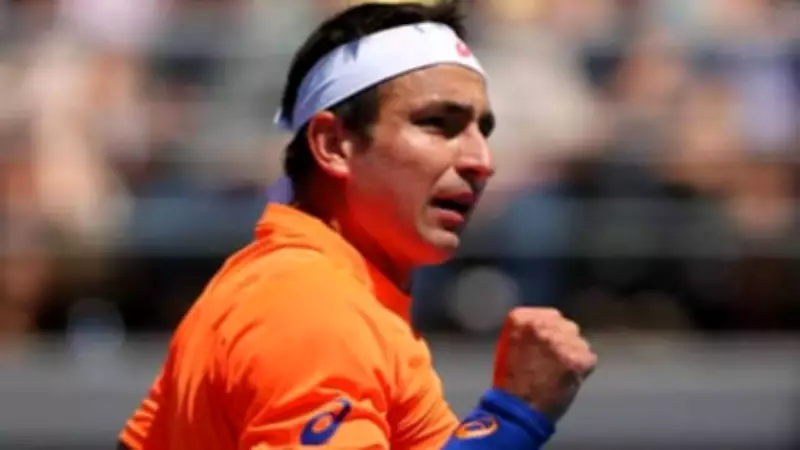
Former Australian Tennis Star Marinko Matosevic Receives Four-Year Ban in Major Doping Case
The International Tennis Integrity Agency has imposed a significant four-year ban on former Australian tennis professional Marinko Matosevic following a serious doping investigation. This ruling prohibits the retired player from participating in any official tennis activities, including playing, coaching, or attending sanctioned events, until March 2030.
Multiple Anti-Doping Violations Uncovered
An independent tribunal thoroughly examined Matosevic's case and identified five distinct anti-doping breaches that occurred between 2018 and 2020. The violations include utilizing a prohibited blood doping method while still competing professionally, assisting another athlete with doping practices, providing guidance on evading drug tests, and both using and possessing the banned substance clenbuterol.
As a direct consequence of these findings, tournament results from two 2018 events have been officially nullified. Matosevic has been ordered to return approximately £3,000 in prize money associated with those competitions, according to reports from Perfect Tennis.

Controversial Confession and Tribunal Response
Matosevic initially faced formal charges in May 2025 and denied all allegations before later admitting to blood doping through a social media confession. In his public statement, the former player issued warnings to fellow athletes while launching scathing criticism against the tennis integrity system.
"I am writing this confession letter firstly to warn other athletes against doing anything that may harm their health and put their lives at risk," Matosevic declared. "Secondly, I am writing this letter to let the tennis world know how corrupt and unjust the ITIA process is."
He further alleged procedural misconduct, claiming authorities "take your phone number under threatening circumstances and make legal cases over photos and text message assumptions that are literally five years old."
However, the independent tribunal completely rejected these accusations. Tribunal chair Michael Heron KC emphasized that the International Tennis Integrity Agency properly followed established protocols under the Tennis Anti-Doping Programme. Heron characterized Matosevic's violations as serious and intentional misconduct that fundamentally undermines the integrity of anti-doping frameworks.
Career Background and Ban Implications
The 40-year-old tennis veteran, who reached a career-high world ranking of No. 39 and once held Australia's top position, officially retired from professional competition in 2018. Despite his retirement, the doping investigation focused specifically on activities occurring between 2018 and 2020.
Born in Bosnia and Herzegovina, Matosevic turned professional in 2003 and achieved his best Grand Slam performances in 2014, advancing to the second round at both Wimbledon and the French Open.
His four-year suspension will remain effective until March 15, 2030, contingent upon repayment of the mandated prize money. Throughout this period, Matosevic is barred from any tennis-related activities connected to major governing bodies.
This case has reignited important discussions about integrity enforcement within professional tennis and raised questions about the effectiveness and strictness of current anti-doping systems. The tribunal's firm stance demonstrates the sport's ongoing commitment to maintaining competitive fairness, even when dealing with retired athletes whose violations occurred after their active careers concluded.