IPC Reverses Ban, Allows Russian and Belarusian National Symbols at 2026 Winter Paralympics
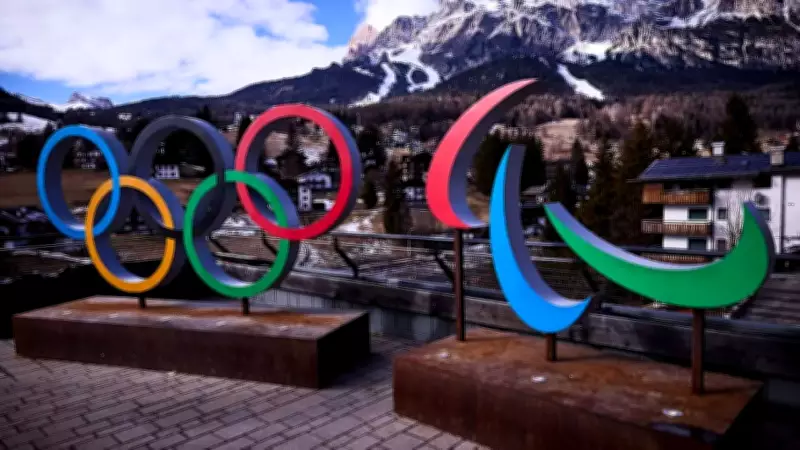
In a significant policy reversal, the International Paralympic Committee (IPC) has announced that Russian and Belarusian athletes will be permitted to compete under their national flags at the upcoming Milano-Cortina 2026 Winter Paralympics. This decision marks a dramatic departure from the restrictions imposed following Russia's military actions in Ukraine in 2022, which led to widespread bans on national representation for athletes from both countries.
Quota Allocation and Competition Details
The IPC has allocated specific quota spots for both nations, outlining exactly how many athletes will participate and in which sports. According to official communications, NPC Russia has been awarded six total slots:
- Two in Para-alpine skiing (one male, one female)
- Two in Para-cross country skiing (one male, one female)
- Two in Para-snowboard (both male)
Belarus has received four slots, all in cross-country skiing (one male and three female). IPC officials emphasized that these competitors will be treated identically to athletes from any other participating nation, meaning medal ceremonies will include their national flags and anthems if they achieve podium finishes.

Historical Context and Recent Developments
This development represents the first appearance of the Russian flag at the Winter Paralympics since 2014. The intervening years saw multiple challenges to Russian participation, beginning with the state-sponsored doping scandal that emerged after the Sochi Games, followed by the 2022 invasion of Ukraine that led to what officials described as a breach of the Olympic truce.
Since 2022, Russian and Belarusian athletes have only been allowed to compete as neutral participants without national symbols. The IPC's new policy applies exclusively to the Paralympics, with separate restrictions remaining in place for the 2026 Winter Olympics.
Notable Athletes and Individual Journeys
Several prominent Russian Paralympians are expected to compete under the restored national banner, including three-time Paralympic alpine skiing champion Aleksey Bugaev, along with accomplished cross-country skiers Ivan Golubkov and Anastasiia Bagiian.
Meanwhile, the path has proven challenging for some athletes. Vladimir Semirunniy, a 23-year-old speed skater originally from Yekaterinburg, chose to represent Poland instead. After moving in 2023 and officially switching federations in 2025, he completed a required 14-month waiting period imposed by the International Skating Union before recently winning silver in the men's 10,000 meters at a Milan competition with a time of 12 minutes and 39.08 seconds.
Broader Implications and Future Outlook
Sports officials continue to advocate for keeping athletic competition separate from political conflicts, though this position has been tested repeatedly in recent years. The Milano-Cortina 2026 Winter Paralympics will serve as a crucial test case for how this new chapter in international sports diplomacy unfolds, potentially setting precedents for future events.
The IPC's carefully structured approach—with specific quota allocations and clear guidelines—represents an attempt to balance competitive fairness with ongoing geopolitical sensitivities. As preparations intensify for the Games, all eyes will be on how this reinstatement of national symbols affects both the competitive atmosphere and the broader narrative around sports and politics.