NHL Superstars Confront Olympic Hockey's Strict No-Fighting Mandate at 2026 Winter Games
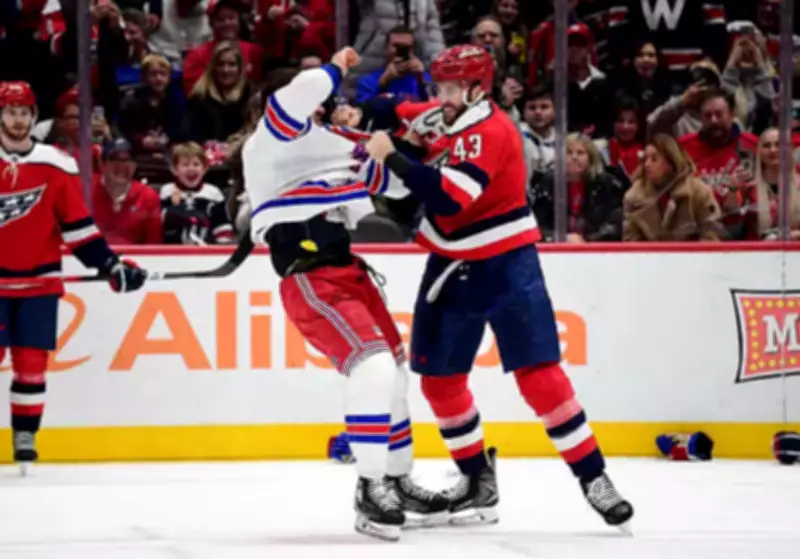
When elite NHL players take to the ice for the highly anticipated 2026 Winter Olympics in Milano-Cortina, fans accustomed to the rough-and-tumble nature of North American hockey will witness a dramatic shift in on-ice conduct. Despite the intense physicality and monumental stakes of Olympic men's hockey, the classic spectacle of players dropping their gloves for fistfights will be conspicuously absent from the Milan competition.
International Rules Enforce Zero Tolerance for Fighting
The fundamental difference between Olympic hockey and the NHL lies in the governing regulations. While the NHL permits fighting with a five-minute major penalty—maintaining it as an ingrained cultural element of the sport—international hockey operates under the stringent authority of the International Ice Hockey Federation (IIHF).
IIHF Rule 46 explicitly condemns fighting, defining it as sustained punching or wrestling that officials cannot immediately control. The federation has unequivocally stated that fighting "is NOT part of international ice hockey's DNA," establishing a clear philosophical divide from North American hockey traditions.

Severe Penalties Await Violators
The consequences for engaging in fights at the Olympic level are substantially more severe than in professional leagues. Players identified as "willing combatants" face immediate game misconduct penalties and automatic ejections. Furthermore, referees are empowered to impose supplementary disciplinary measures, including multi-game suspensions that could critically impact team rosters in the compact Olympic tournament format.
Even attempting to initiate a fight or continuing hostilities after officials intervene triggers automatic game misconduct penalties. This strict enforcement contrasts sharply with the NHL's more lenient approach, where fighting typically results only in temporary five-minute penalties without automatic ejections.
Strategic Implications for Olympic Competition
The prohibition on fighting carries significant strategic implications for Olympic teams. With limited roster sizes and no readily available replacement players, teams cannot afford to lose key athletes to suspensions. The emotional decision to engage in fisticuffs could potentially derail an entire nation's gold medal aspirations.
Physical intimidation takes a backseat to pure hockey skills in the Olympic context. Success will be determined by precise goal-scoring, disciplined defensive systems, and exceptional goaltending—not by physical dominance through fighting.
Adaptation Challenges for Returning NHL Stars
The 2026 Milano-Cortina Games mark the first Olympic appearance for NHL players in over a decade, presenting unique adaptation challenges. Beyond adjusting to international rink dimensions and different officiating standards, players must fundamentally recalibrate their approach to physical play.
The message from Olympic organizers is unambiguous: medals will be won through skillful execution, not through physical altercations. As the hockey world prepares for this prestigious international showcase, the absence of fighting will spotlight the sport's purest elements while testing players' discipline under extreme pressure.