Olympic Hockey Tournament Implements Mid-Competition Rink Change After Goalie Feedback
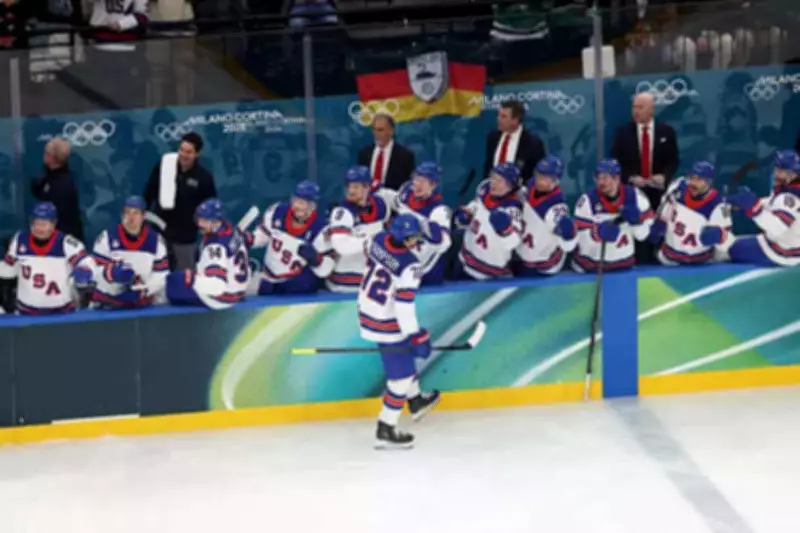
The knockout stage of the men's ice hockey tournament at the Milano Cortina 2026 Winter Olympics commenced on Tuesday with a significant visual alteration. The boards surrounding the Milan rinks have been repainted from their original dark turquoise to lighter shades of blue and green. This unprecedented mid-tournament adjustment follows extensive feedback from players and teams regarding visibility challenges.
Visibility Issues Prompt Unusual Olympic Adjustment
The decision to change the board colors emerged after numerous complaints that the preliminary round's dark turquoise boards created difficulties for goaltenders attempting to track the puck. Officials confirmed that this modification resulted from a collaborative agreement between the International Ice Hockey Federation, the International Olympic Committee, and tournament organizers, with input specifically from the NHL and NHL Players' Association.
The problem gained prominence when United States goaltender Jeremy Swayman revealed he momentarily lost sight of the puck during a group-stage match against Denmark. Swayman described how the arena lighting combined with the board colors produced a "flash screen" effect between the stands and board level, significantly hindering puck tracking.

"It was a flash screen, and it was just the perfect height right between the stands and board level, and I truly lost it," Swayman stated following his team's 6-3 victory. "This is a challenge we have to embrace, though we encounter different arena conditions regularly in the NHL."
Organizational Response and Implementation
Initially, Olympic organizers characterized the board repainting as part of routine mid-tournament maintenance typically addressing wear and tear. However, they subsequently acknowledged that player complaints significantly influenced their decision to implement lighter colors earlier than originally planned.
For goaltenders, the contrast between the puck, boards, and crowd background remains crucial for shot detection and rebound anticipation. Tournament organizers acted swiftly to ensure optimal playing conditions as knockout matches began with medal contention intensifying.
The newly painted boards are anticipated to enhance visibility substantially and maintain competitive fairness as the tournament progresses toward its conclusion. While this change is unlikely to dramatically alter the fortunes of competition favorites, it demonstrates a growing trend in Olympic sports toward incorporating athlete feedback into even minor details like rink aesthetics.
Broader Implications for Olympic Sports
This mid-competition adjustment represents a notable development in how Olympic events respond to participant input. The willingness to modify fundamental playing environment elements during an ongoing tournament underscores an evolving approach to athlete-centered competition management.
As the Milano Cortina 2026 Winter Olympics continue, this board color modification serves as a tangible example of how international sports organizations are increasingly prioritizing competitor experience and performance conditions alongside traditional tournament logistics.