Olympic Figure Skating Coverage Transformed by Innovative On-Ice Camera Work
The Milano-Cortina Winter Olympics are witnessing a revolutionary change in how figure skating is presented to global audiences. A groundbreaking camera perspective now follows athletes across the ice immediately after they complete their routines, capturing raw emotional moments traditionally missed by television broadcasts.
The Man Behind the Revolutionary Camera Perspective
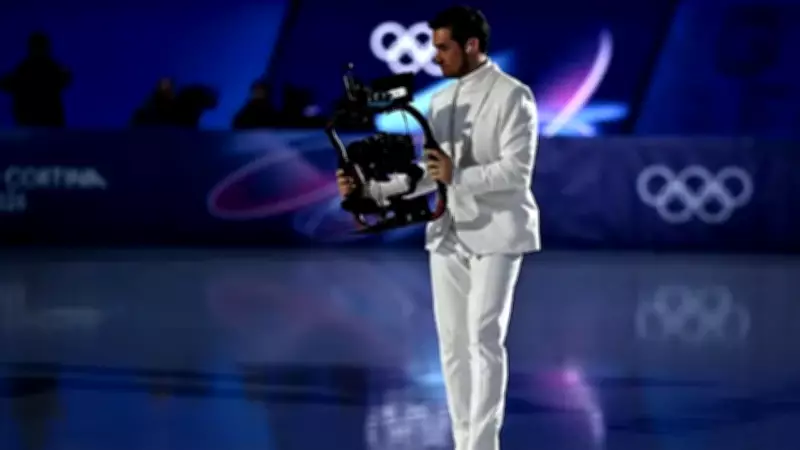
The innovative approach comes from former American competitive ice dancer Jordan Cowan, who has designed a special camera rig that allows him to skate alongside athletes as they process their performances. Cowan records the immediate aftermath of routines, documenting relief, tears, celebration, and exhaustion in real time as skaters transition from their competitive mindset.
"This period has been an unexplored part of the sport," Cowan explains, referring to the moments after the music ends when broadcasts traditionally cut away. "We're showing what happens when athletes leave their competitive bubble and become human again."

Olympic Broadcasting Services Embraces Personal Coverage
Olympic Broadcasting Services introduced this experimental coverage to make the viewing experience more personal and immersive. Viewers now witness athletes' journeys from the ice surface to their coaches in the kiss-and-cry area, creating a seamless emotional narrative that was previously fragmented.
The impact has been immediate and profound:
- Reveals emotions typically hidden from television audiences
- Creates closer connections between fans and athletes
- Provides unprecedented access to the skaters' experience
- Captures authentic moments before athletes compose themselves
From Skater to Cinematic Storyteller
Jordan Cowan's journey to this innovative role began in Los Angeles, where he started skating as a child. He humorously recalls that the rink felt special because it offered air conditioning, unlike his home. His passion for the sport led him to serious training in Michigan, where he competed in ice dance before retiring from competition.
After stepping away from competitive skating, Cowan faced a career crossroads between film and science. He eventually merged both interests during a PBS production filming an ice show in Sun Valley. Using just a phone and small stabilizer, he captured behind-the-scenes footage that impressed producers with its fluid, floating quality across the ice.
Technical Mastery and Emotional Sensitivity
Cowan has since upgraded to cinema-style cameras while maintaining his unique approach. He relies on manual focus and zoom, believing his skating background allows him to anticipate motion better than autofocus systems. His technical skills enable him to follow athletes smoothly without disrupting their performance environment.
Beyond technical expertise, Cowan brings emotional intelligence to his work. Some athletes have told him that having another skater nearby during vulnerable moments makes the experience feel less isolating. He maintains respectful distance while still capturing the crowd's reaction, allowing competitors space to process their emotions.
Part of a Broader Olympic Innovation Strategy
Cowan's work aligns with Olympic Broadcasting Services' broader innovation efforts at these Games, which also include drone footage and overhead camera angles. For Cowan, who never competed in the Olympics himself, this role carries special significance.
"I hope this footage becomes part of the sport's lasting record," he says. "Decades from now, people should be able to see not just the jumps and spins, but the human moments that make Olympic competition so powerful."
The Milano-Cortina Winter Olympics may be remembered not just for athletic achievements, but for how Jordan Cowan's innovative camera work transformed how we experience the emotional journey of elite figure skaters, bringing audiences closer than ever to the heart of Olympic competition.