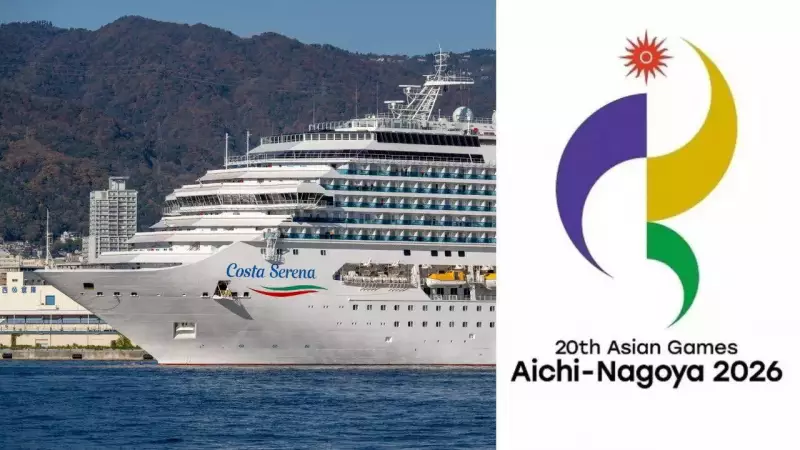
In a move to safeguard the performance of its precision sport athletes, the Indian government is set to make a formal request to the organisers of the 2026 Asian Games in Japan. The appeal is to avoid accommodating Indian competitors in 'static' sports like shooting, archery, and weightlifting on a luxury cruise ship slated to act as a floating Games Village.
The Core Concern: Avoiding the Sway
This strategic request originated from a meeting of the Asian Games review committee, which was constituted by the sports ministry earlier this month. The primary apprehension revolves around the potential for athletes to experience dizziness, imbalance, or nausea after staying on a docked cruise liner. Committee members highlighted that such conditions would require valuable time for athletes to readjust to stable land, directly ahead of their crucial competition rounds.
The concern was specifically raised for shooting and archery sports, where absolute stability and fine motor control are paramount for success. The fear is that lingering effects from the ship's motion could critically impact an athlete's aim and composure.

Japan's Innovative but Problematic Accommodation Plan
For the Aichi-Nagoya Asian Games, scheduled from September 19 to October 4, 2026, Japanese organisers have opted for a cost-cutting and innovative accommodation model. They have replaced the traditional Athletes' Village with a two-pronged approach:
- Accommodation on the Costa Serena, a luxury cruise liner, which will house approximately 4,600 athletes and officials.
- Temporary shelters constructed from converted shipping containers for another 2,400 participants.
While innovative, this plan has raised specific flags for Indian officials focused on athlete welfare and performance optimization.
India's Proposed Solution
Instead of the floating accommodation, India's committee will formally request that its contingent members participating in static, stability-dependent sports be lodged in alternative facilities. The proposed solutions include:
- Hotels on land that provide a stable environment.
- The already-planned temporary shelters made from shipping containers, which are on solid ground.
This proactive measure aims to ensure that Indian athletes step onto the competition venue with their land legs fully assured, eliminating any need for post-voyage acclimatization. The move underscores India's increasing focus on providing tailored, scientific support to its athletes ahead of major multi-sport events, leaving no stone unturned in the quest for medals.