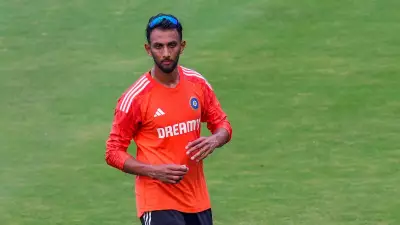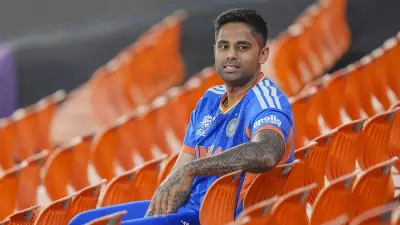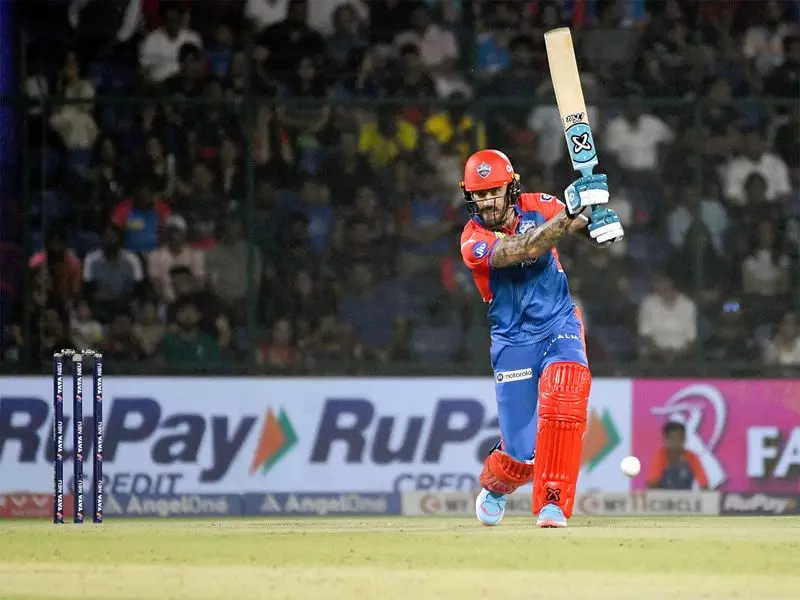
In a significant move ahead of the Indian Premier League (IPL) 2025 mega auction, Royal Challengers Bangalore (RCB) has decided to part ways with their captain and star batter, Faf du Plessis. The franchise has not retained the South African veteran, marking a pivotal shift in its team-building strategy.
Badani Explains the Strategic Rationale
Former Indian cricketer and current commentator Hemang Badani shed light on the franchise's thinking. He emphasized that the decision signals a clear intent to rebuild the squad around younger, more dynamic Indian talent. Badani pointed out that while du Plessis was a phenomenal performer and leader, the team's composition required a fresh direction.
"It's time to move towards a younger option and a more aggressive style," Badani stated, encapsulating the core philosophy behind the move. He suggested that retaining du Plessis would have consumed a massive chunk of the salary purse, limiting RCB's flexibility to acquire and build around emerging match-winners. The focus is now squarely on injecting vitality and fearless cricket into the lineup.

The Legacy of Faf du Plessis at RCB
Faf du Plessis's tenure with RCB, which began in 2022, was marked by consistent personal brilliance. He amassed over 400 runs in each of his three seasons, finishing as the team's highest run-getter twice. In the 2023 season, he scored 730 runs, a testament to his enduring class. As captain, he led the team to the playoffs in 2022 and 2024, though the elusive IPL trophy remained out of reach.
His release, alongside other senior players like Dinesh Karthik, Glenn Maxwell, and Mohammed Siraj (though Siraj was later retained using a 'Right to Match' card), underscores a comprehensive restructuring. RCB has firmly backed a young core, retaining the likes of Virat Kohli, Rajat Patidar, Mayank Dagar, and Cameron Green.
Looking Ahead: RCB's New Blueprint
This decision places RCB at a fascinating crossroads. With a considerably freed-up purse, the management, led by Badani's insights, aims to construct a side that plays a high-octane brand of cricket. The emphasis will likely be on:
- Identifying and investing in young, aggressive Indian batsmen and all-rounders.
- Building a pace attack with variety and firepower.
- Establishing a new leadership group, potentially with a younger captain at its helm.
The move is not a dismissal of du Plessis's contributions but a pragmatic, forward-looking strategy. It acknowledges the need for a squad that can sustain intensity across a long season and adapt to the evolving demands of T20 cricket. All eyes will now be on the auction table to see how RCB executes this vision of a younger, more aggressive future.