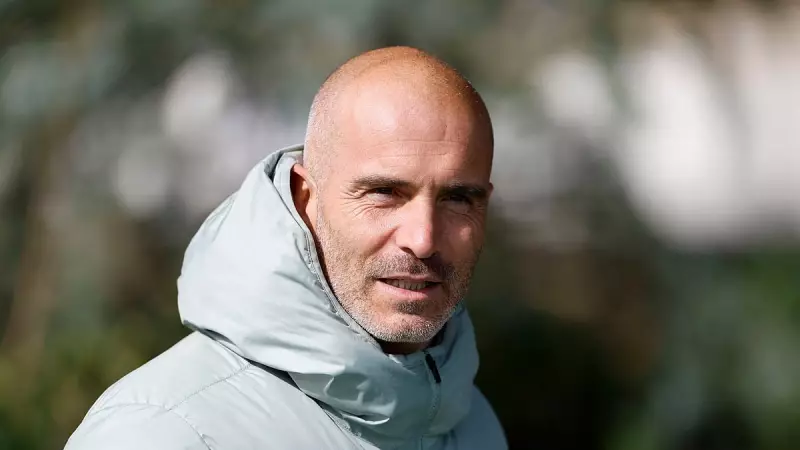
The intense pressure of the Premier League's festive period has claimed two high-profile managerial casualties. Enzo Maresca of Chelsea and Ruben Amorim of Manchester United were both relieved of their duties in a dramatic mid-season shake-up.
While disappointing performances on the pitch played a significant role, reports indicate a deeper, more fundamental issue sealed their fate. The decisive factor was a boiling over of long-simmering tensions between the managers and their respective club hierarchies.
The Festive Period: A Catalyst for Conflict
The busy December and early January schedule, a traditional crunch time in English football, acted as the pressure cooker for these disputes. Sources close to both clubs suggest that disagreements over transfer strategy, squad management, and tactical direction, which had been brewing for months, finally came to a head.

At Chelsea, Enzo Maresca's vision for the team's development reportedly clashed with the board's expectations for immediate results and their approach to the January transfer window. Similarly, at Manchester United, Ruben Amorim's relationship with the football leadership structure became increasingly strained over control of footballing decisions.
Results Underwhelm, Patience Wears Thin
These internal conflicts were exacerbated by underwhelming results. Neither club was in a comfortable league position, and the festive fixtures failed to provide the needed turnaround. The combination of poor points returns and irreconcilable differences with the board left the owners with little choice.
The sackings, confirmed on 07 January 2026, highlight the precarious nature of modern football management, where alignment with the club's upper echelons is as crucial as results on the weekend.
What's Next for Chelsea and Manchester United?
The dismissals leave two of England's biggest clubs in search of new leadership halfway through the campaign. The search for successors will be urgent, with both teams needing a stabilising influence who can navigate not only the challenges of the Premier League but also the complex internal dynamics of their organisations.
For Maresca and Amorim, their premature exits serve as a stark reminder that in top-flight football, managing upwards is often as important as managing the team on the training ground. The task for their replacements will be to bridge that gap quickly to avoid a similar fate.