Iran's Potential Boycott of FIFA World Cup 2026 Sparks Global Speculation
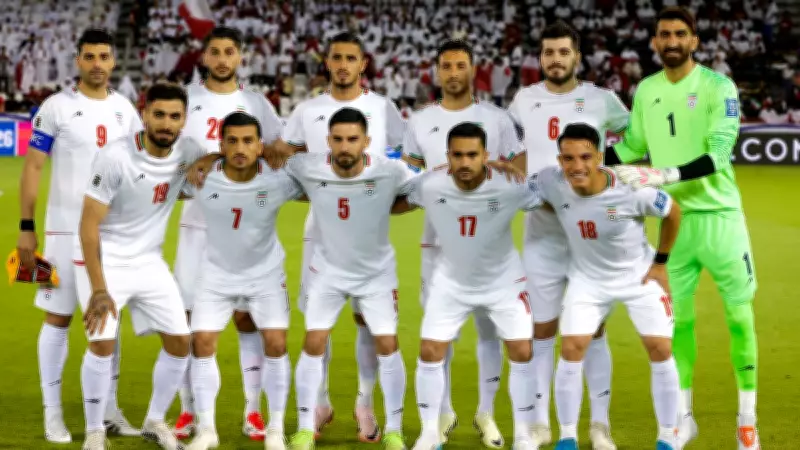
The football world is abuzz with speculation as reports emerge that Iran is considering a boycott of the FIFA World Cup 2026, set to be hosted in the United States, Canada, and Mexico. This potential move has raised significant questions about the tournament's dynamics and FIFA's preparedness for such scenarios.
What Could Trigger Iran's Boycott?
While the exact reasons for Iran's contemplation of a boycott remain under wraps, geopolitical tensions and diplomatic strains between Iran and the host nations, particularly the USA, are believed to be key factors. Historical precedents, such as past boycotts in international sports events, add weight to these concerns, making this a closely watched development in global football circles.
FIFA's Contingency Plan for Team Replacement
In response to the uncertainty, FIFA has reportedly activated a contingency plan to ensure the smooth operation of the World Cup 2026. According to sources, if Iran proceeds with the boycott, a replacement team will be selected based on predetermined criteria. This team is likely to be the next highest-ranked nation from the Asian Football Confederation (AFC) qualifiers that did not initially secure a spot in the tournament.

- Maintaining the tournament's 48-team format without disruption.
- Ensuring fair play and competitive integrity by selecting a deserving replacement.
- Minimizing logistical and scheduling impacts on other participating teams.
Potential Replacement Teams in the Spotlight
Several AFC nations are being eyed as potential replacements if Iran withdraws. Teams like Saudi Arabia, Australia, or Japan, depending on their performance in the qualifiers, could step in. This scenario underscores the competitive nature of Asian football and the high stakes involved in World Cup qualification.
Experts note that such a replacement would not only fill the void but also add a new dynamic to the tournament, potentially altering group stage predictions and fan expectations.Implications for Global Football and Diplomacy
A boycott by Iran would have far-reaching consequences beyond the pitch. It could:
- Strain diplomatic relations further between Iran and the host countries.
- Impact the commercial and broadcasting aspects of the World Cup, given Iran's large fan base.
- Set a precedent for future international sports events, where political tensions might influence participation.
FIFA officials have emphasized their commitment to keeping football apolitical, but this situation highlights the complex interplay between sports and global affairs. As the 2026 World Cup approaches, all eyes will be on Iran's final decision and FIFA's response, shaping the narrative for one of the world's most anticipated sporting events.