Iran's Football Federation Weighs World Cup Withdrawal Amid US Hosting Controversy
In a development that could significantly impact the upcoming FIFA World Cup 2026, the Iranian football federation is actively considering pulling its national team out of the prestigious tournament. This potential decision stems from the tournament's hosting arrangements, which schedule Iran to play three of its group stage matches in the United States. The move highlights the complex intersection of international sports and geopolitics, as longstanding political tensions between Iran and the US threaten to spill over into the world of football.
Geopolitical Tensions Cast Shadow Over Sporting Event
The 2026 FIFA World Cup is set to be a historic event, jointly hosted by the United States, Canada, and Mexico. However, for Iran, the prospect of competing on American soil has sparked serious internal discussions. Sources indicate that Iranian officials are deeply concerned about the security and logistical challenges their team might face in the US, given the frosty diplomatic relations between the two nations. These concerns are not merely speculative; they are rooted in a history of strained interactions that have occasionally affected sporting engagements in the past.
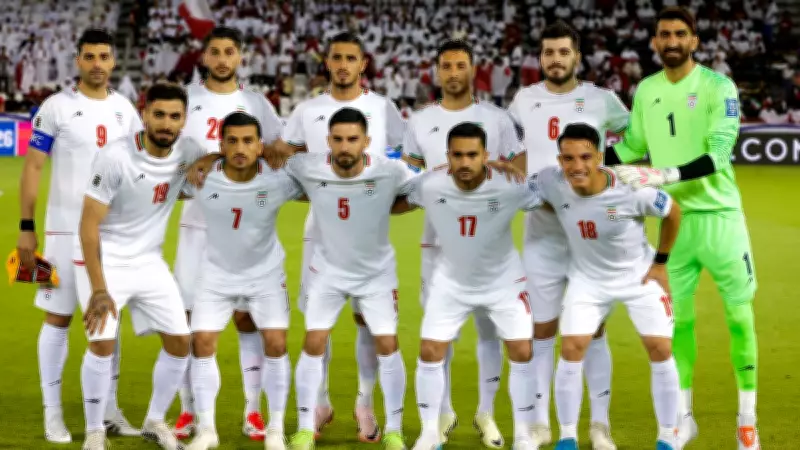
The federation's evaluation process is reportedly thorough, weighing the sporting aspirations of the national team against the perceived risks of participation. Iran, which has qualified for multiple World Cups, including the 2022 edition in Qatar, views football as a point of national pride. Yet, the decision to potentially withdraw underscores the priority given to the safety and dignity of its athletes and officials in a politically charged environment.

Impact on World Cup Dynamics and Global Football
If Iran proceeds with a withdrawal, it would create a significant void in the tournament's lineup, potentially forcing FIFA to reconsider group allocations or invite another team as a replacement. This scenario could disrupt the competitive balance and scheduling of the event, which is already one of the most anticipated in football history. Moreover, such a move might set a precedent for other nations facing similar geopolitical dilemmas in future international sports competitions.
The situation also raises broader questions about the role of sports in bridging political divides. While events like the World Cup are often celebrated for fostering global unity, Iran's deliberations reveal how underlying tensions can challenge this ideal. Football authorities worldwide are likely monitoring the developments closely, as they could influence how hosting decisions are made for future tournaments to avoid similar conflicts.
As the 2026 World Cup approaches, the football community awaits a final decision from Iran, which is expected to be announced after further internal consultations and possibly discussions with FIFA. The outcome will not only affect Iran's footballing future but also test the resilience of international sports in navigating complex political landscapes.