Iran Women's Football Captain Abandons Asylum Bid Amid Family Pressure
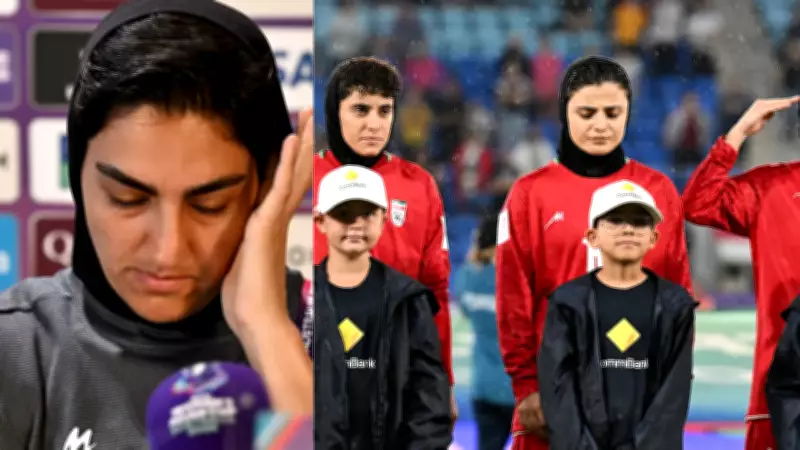
In a dramatic reversal, Zahra Ghanbari, the 34-year-old captain of Iran's women's national football team, has decided to leave Australia and return to her homeland after briefly attempting to seek asylum. This development comes as five of the seven team members who initially hoped to remain in Australia for safety have now stepped back from that plan, choosing instead to go home to Iran.
Family Threats Force Change of Heart
According to Iran's state news agency, the Islamic Republic News Agency (IRNA), Zahra Ghanbari will travel back to Iran through Malaysia. Her decision follows widespread reports that some players' families in Iran were facing intense pressure and threats from authorities. The situation has created an emotional and tense atmosphere, with players torn between their personal safety and concern for their loved ones back home.
Only two of the original seven team members now remain in Australia, where the government had earlier agreed to provide humanitarian visas to the group after they left their team handlers and requested police assistance. The Australian authorities had been prepared to offer protection to the athletes who feared returning to Iran.

Multiple Players Reverse Asylum Decisions
Zahra Ghanbari is not alone in changing her mind about seeking asylum. She joins teammates Zahra Soltan Meshkehkar, Mona Hamoudi, and Zahra Sarbali in reversing their asylum decisions after family threats emerged. Earlier in the week, another player had already stepped back from the asylum request, raising serious concerns among supporters and former athletes about the pressures facing these women.
Former Iranian futsal player Shiva Amini, who now lives outside Iran, provided insight into what may have influenced the players' decisions. Writing on social media platform X, she revealed that "the pressure on the players' families had become unbearable" and that "the intimidation was relentless."
Disturbing Messages from Family Members
The situation became even more serious when messages from relatives began to surface. One player reportedly received a voice message from her mother saying, "Don't come back to Iran... they will kill you." Another message sent secretly from a family member simply stated, "You need to stay." These communications highlight the impossible position in which the athletes found themselves.
Shiva Amini further disclosed that she had received information suggesting Iran's football officials were working with the Islamic Revolutionary Guard Corps to pressure families inside the country. This coordinated effort appears to have been effective in convincing most of the players to abandon their asylum bids.
Background of Silent Protest
The players had already drawn international attention earlier in the tournament. During their opening Women's Asia Cup match against South Korea on March 2, the Iranian team stood silently during the national anthem. Many observers interpreted this moment as a quiet protest against the regime, though the players themselves did not publicly explain their actions.
Back in Iran, some media outlets strongly criticized the players following this incident. Reports described them as "war traitors," which significantly increased the pressure on the team and likely contributed to their initial decision to seek asylum in Australia.
Iranian Media Praises Return
Iranian media reacted positively to Zahra Ghanbari's decision to return home. The Islamic Republic News Agency wrote that she was "returning to the embrace of the homeland," while the Mehr News Agency called the move a "patriotic decision." The government's Sports Ministry released a statement praising the players who chose to go back, claiming the team's "national spirit and patriotism" had overcome outside influence.

Uncertain Future for Remaining Players
For now, the future remains uncertain for the two players who are still in Australia. Their safety and final decisions will likely continue to draw international attention as they weigh their options. The situation highlights the difficult choices facing athletes from countries with repressive regimes, particularly women who challenge traditional norms through their participation in sports.
The case of the Iranian women's football team has become a microcosm of larger geopolitical tensions and human rights concerns. As these athletes navigate between personal safety, family pressure, and national loyalty, their story continues to unfold with implications far beyond the football pitch.