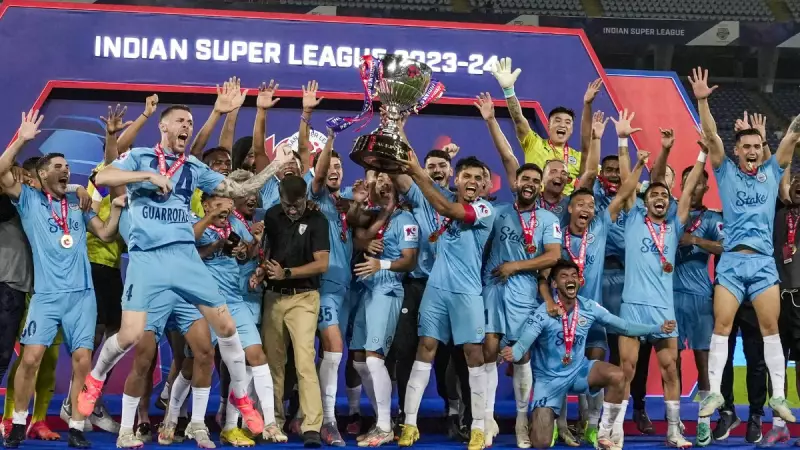
In a seismic shift for Indian football, the City Football Group (CFG) has officially severed its ties with Mumbai City FC. This move, confirmed on December 25, 2024, has sent shockwaves through the Indian Super League (ISL), triggering a domino effect that threatens the league's financial stability and competitive landscape.
The End of an Era: CFG's Strategic Exit
The City Football Group, the global powerhouse behind clubs like Manchester City, has completed the sale of its majority stake in Mumbai City FC. This decision marks a dramatic reversal from their ambitious entry into the Indian market, which was once seen as a cornerstone of the ISL's growth and international credibility. While the specific financial details of the exit remain confidential, the move is described as a strategic divestment by the group.
Industry insiders suggest that the exit is part of a broader portfolio review by CFG, potentially influenced by the challenging economic realities and specific operational hurdles within the Indian football ecosystem. The group's departure leaves a significant void, not just in terms of capital but also in global football expertise and brand association that Mumbai City FC enjoyed.

A Domino Effect Begins: Other Investors Eye the Exit
More alarmingly for the league, CFG's exit is not an isolated incident. Reports indicate that several other key investors in various ISL franchises are now actively considering following suit. This potential mass exodus is rooted in a combination of factors that have plagued team owners for seasons.
The core issues cited include:
- Persistent and significant financial losses with no clear path to profitability.
- An unstable and unclear regulatory framework governing Indian football.
- Ongoing governance disputes between the All India Football Federation (AIFF), the ISL, and the I-League.
- Concerns over the league's long-term commercial viability and fan engagement metrics.
This collective unease has created an atmosphere of uncertainty, making continued high-level investment a risky proposition for many backers.
Implications for the ISL and Indian Football
The immediate fallout from this development places the entire ISL model under intense scrutiny. The league, which positioned itself as the top-tier, franchise-based future of Indian football, now faces an existential crisis of confidence. The departure of a marquee investor like CFG severely damages the league's appeal to future international partners and casts doubt on its sustainability.
For Mumbai City FC, the search for new ownership is urgent. The club must find investors willing to absorb the costs and navigate the turbulent waters of Indian football. The transition period could impact player contracts, coaching staff, and long-term development projects, potentially destabilizing one of the league's most successful teams.
On a broader scale, this turmoil presents a critical inflection point for the sport's administrators. The AIFF and Football Sports Development Limited (FSDL), the ISL's organisers, are under immense pressure to address the fundamental concerns of their stakeholders. This may necessitate urgent reforms in league structure, revenue-sharing models, and a clearer, unified vision for the sport's pyramid in India.
The events of December 2024 could either force a much-needed restructuring of professional football in India or lead to a period of regression and instability. The coming months will be crucial in determining whether the league can attract new capital and restore faith, or if this investor retreat marks the beginning of a more profound contraction.