The 2025 football season will be etched in history not for breathtaking goals or underdog triumphs, but for a series of incendiary refereeing decisions that fractured the global fanbase. From the high-octane Premier League to tense World Cup qualifiers, the narrative was hijacked by the Video Assistant Referee (VAR) system and a cascade of controversial red cards. What was introduced as a tool for clarity instead magnified inconsistency, leaving players, managers, and supporters united in frustration.
Premier League Flashpoints: Simons and Lewis-Skelly Incidents
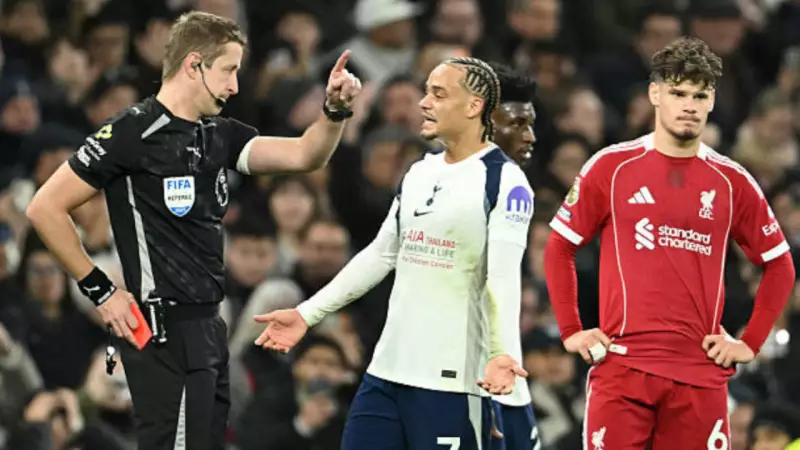
Domestically, England's top flight provided two of the most debated moments. The first erupted during a pivotal clash between Tottenham Hotspur and Liverpool. Dutch midfielder Xavi Simons was initially shown a yellow for a late challenge, but after a protracted VAR review and a visit to the pitch-side monitor, the referee upgraded it to a straight red card. This single act dramatically shifted the momentum of the match. While refereeing authorities defended the decision, citing strict adherence to serious foul play protocols, Tottenham argued the tackle lacked excessive force, highlighting the subjective nature of the call.
Another storm surrounded Arsenal's young talent, Myles Lewis-Skelly. His sending-off against Wolverhampton Wanderers split opinion across the football community. Many former players and pundits believed the challenge warranted only a booking, considering the player's age and perceived intent. Critics argued this incident exemplified a modern interpretation that prioritizes the potential outcome for the victim over the traditional assessment of a player's intent. These episodes fueled a widespread perception that VAR's application is wildly inconsistent, often appearing excessively harsh in some games while strangely lenient in others, even within the same competition.

International Stage Descends into Chaos
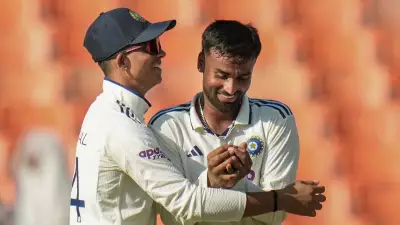
The controversy reached a fever pitch on the international stage. A crucial World Cup qualifier between Indonesia and Iraq ended in disgraceful scenes. After the final whistle, tempers boiled over, resulting in three Indonesian players and staff members receiving red cards. The most shocking moment involved a member of the Indonesian contingent physically assaulting the referee, triggering formal investigations and a fresh debate about post-match discipline and official safety.
Furthermore, major tournaments were not immune. VAR interventions often dictated the post-match discourse, overshadowing the actual results and performances. This fostered a growing belief among national team coaches and federations that the current VAR protocols are ill-suited for the intense pressure cooker of international football, where emotions and momentum swings are extreme.
Fallout and a Crisis of Confidence
The cumulative effect of these incidents has been a severe erosion of trust in officiating standards. The core promise of VAR—to eliminate clear and obvious errors—seems unfulfilled. Instead, it has introduced new layers of controversy with slow, often opaque decision-making processes that leave stadium crowds in the dark. The inconsistency is perhaps the most damaging aspect; while some challenges like Simons' were punished severely, other equally dangerous tackles went unpunished across leagues.
The year 2025 has forced football's governing bodies into a period of serious introspection. The technology is not going away, but its implementation and the interpretation of rules, particularly around red cards for serious foul play, demand urgent and unified review. The sport risks having its biggest stories written not by its stars, but by the officials in the VAR room.