Manoj Tiwary Slams Bangladesh's T20 World Cup Decision, Alleges Political Interference
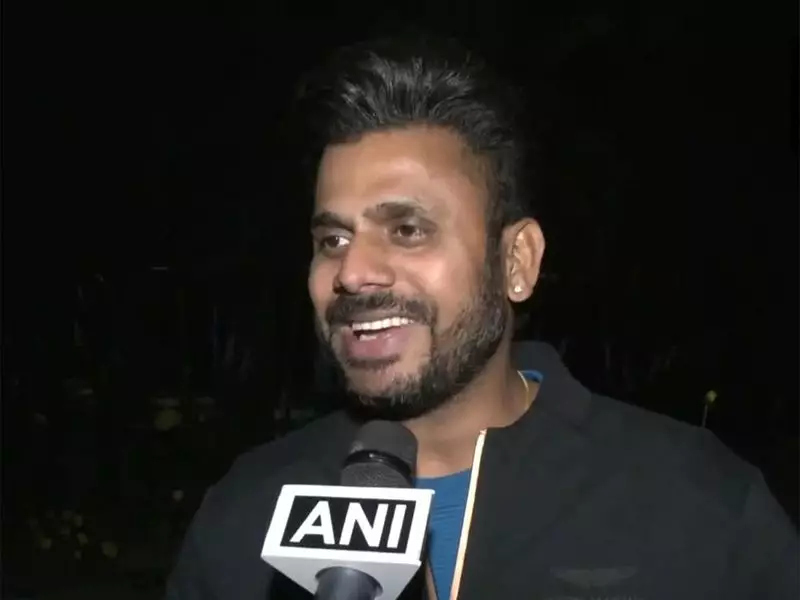
Former Indian cricketer and current politician Manoj Tiwary has launched a scathing critique against the Bangladesh cricket team's recent decision not to travel to India for their scheduled T20 World Cup fixtures. Tiwary, who has represented India in international cricket and is now a Member of Legislative Assembly in West Bengal, expressed his disappointment and concern over what he perceives as political meddling in Bangladesh's cricket affairs.
The Controversial Decision and Tiwary's Response
In a strongly worded statement, Tiwary highlighted that Bangladesh's choice to skip matches in India during the upcoming T20 World Cup represents a significant departure from normal cricketing protocols and bilateral relations. He pointed out that this decision appears to be influenced by political considerations rather than sporting ones, which he believes sets a dangerous precedent for international cricket.
"In their country, politics has entered the picture," Tiwary remarked, emphasizing his belief that external factors are dictating cricket administration in Bangladesh. He argued that such interference undermines the spirit of the game and could potentially harm the long-standing cricketing relationship between India and Bangladesh.

Implications for India-Bangladesh Cricket Relations
The decision by Bangladesh cricket authorities has raised eyebrows across the cricketing world, particularly given the historical context of matches between the two neighboring nations. Tiwary expressed concern that this move might:
- Disrupt the competitive balance in the T20 World Cup group stages
- Create unnecessary tension between the cricket boards of both countries
- Set a troubling example of politics overshadowing sports decisions
- Potentially affect future bilateral series and tournaments
As someone who has experienced the camaraderie of India-Bangladesh cricket encounters firsthand, Tiwary stressed the importance of keeping sports separate from political agendas. He recalled several memorable matches between the two teams and emphasized how cricket has traditionally served as a bridge between the nations.
Broader Context of Political Influence in Cricket
Tiwary's comments come at a time when concerns about political interference in sports administration are growing globally. While cricket has generally maintained relative independence from direct political control in most countries, instances of governmental influence on sporting decisions have become more noticeable in recent years.
The former cricketer-turned-politician highlighted that when politics enters sports administration, it can lead to:
- Unfair advantages or disadvantages for certain teams
- Compromised selection processes and team decisions
- Reduced trust in the integrity of competitions
- Negative impacts on player morale and performance
Tiwary called for greater transparency and autonomy in cricket administration worldwide, particularly urging the International Cricket Council to establish clearer guidelines protecting sports from political influence.
Looking Ahead: The Future of India-Bangladesh Cricket
Despite the current controversy, Tiwary expressed hope that cricket relations between India and Bangladesh would recover and strengthen. He emphasized the shared passion for cricket in both countries and the mutual benefits that come from healthy sporting competition.
"Cricket should remain a platform for friendship and healthy competition," Tiwary stated, urging both cricket boards to work toward resolving the issue amicably. He suggested that open dialogue between the Board of Control for Cricket in India and the Bangladesh Cricket Board could help address concerns and prevent similar situations in the future.
The T20 World Cup decision has certainly sparked debate about the intersection of politics and sports, with Tiwary's comments adding an important perspective from someone who understands both cricket administration and political realities. As the tournament approaches, all eyes will be on how this situation develops and what it means for the future of international cricket relations in South Asia.