In a significant pre-tournament development, all team captains are set to address the media today in two separate press conferences ahead of the T20 World Cup 2026, scheduled to commence this Saturday. The dual events will unfold in Colombo, Sri Lanka, and Mumbai, India, marking a crucial moment for teams and fans alike as the global cricket spectacle approaches.
Colombo Press Conference: Asian and Associate Nations Take Center Stage
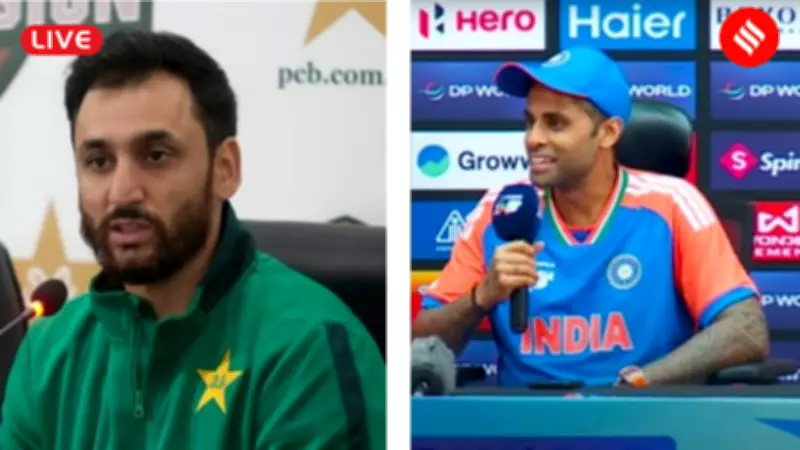
The first press conference of the day will be held in Colombo, where captains from eight participating nations will share their thoughts and strategies. The lineup includes representatives from Sri Lanka, Australia, Ireland, Netherlands, Oman, Pakistan, UAE, and Zimbabwe. This session is particularly noteworthy as it brings together traditional cricketing powerhouses and emerging associate nations, highlighting the tournament's inclusive spirit.
Pakistan's captain, Salman Ali Agha, is expected to be a focal point during the Colombo briefing. His remarks will be closely monitored given the recent controversies surrounding Pakistan's stance in the tournament, especially following Bangladesh's unexpected ejection.

Mumbai Press Conference: Heavyweights and Global Contenders Gather
Later in the day, the spotlight shifts to Mumbai, where captains from twelve teams will address journalists in grouped sessions. This assembly features cricketing giants and diverse representatives, including India, Afghanistan, Canada, England, Italy, Namibia, Nepal, New Zealand, Scotland, South Africa, USA, and West Indies.
India's captain, Suryakumar Yadav, will lead the discussions in Mumbai, offering insights into the host nation's preparations and expectations. His presence underscores India's pivotal role as a co-host alongside Sri Lanka for this edition of the T20 World Cup.
Background: Bangladesh Ouster and Pakistan's Standoff
These press conferences occur against a backdrop of significant controversy, with Bangladesh being ejected from the T20 World Cup just weeks before the event's start. The decision came after Bangladesh refused to play games in India, citing undisclosed reasons that have stirred debates within the cricketing community.
In the aftermath, Pakistan has taken a firm stance by refusing to play against India in a group stage match originally scheduled for Sri Lanka. This move has escalated tensions and raised questions about diplomatic and sporting relations between the two nations.
PCB's Strategic Defense: Force Majeure Clause in Play
Anticipating potential sanctions from the International Cricket Council (ICC) over their last-minute withdrawal from the India game in Colombo on February 15, the Pakistan Cricket Board (PCB) is reportedly considering enforcing the Force Majeure clause. This legal provision refers to unforeseeable circumstances that prevent contract fulfillment.
Sources indicate that the PCB plans to justify their position by referencing their government's social media directive from February 1, which instructed the team to boycott the match against India. This defense strategy highlights the complex interplay between sports governance and political influences in international cricket.
As the cricketing world watches, these press conferences will not only set the tone for the upcoming tournament but also address pressing issues that could shape future ICC policies and bilateral cricketing engagements. Fans and analysts alike await key announcements and clarifications from the captains, hoping for resolutions that uphold the spirit of the game while navigating contemporary challenges.