T20 World Cup 2026: The Strategic Conundrum of Countering Abhishek Sharma
The upcoming T20 World Cup in 2026 is already generating intense tactical discussions, with one of the most pressing questions revolving around how South Africa will handle the explosive batting of India's Abhishek Sharma. As teams begin their long-term planning, the Proteas face a critical decision: should they rely on their captain, Aiden Markram, or turn to left-arm spinner Bjorn Fortuin to neutralize this formidable threat?
Abhishek Sharma: A Rising Star in T20 Cricket
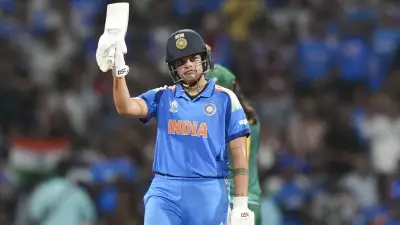
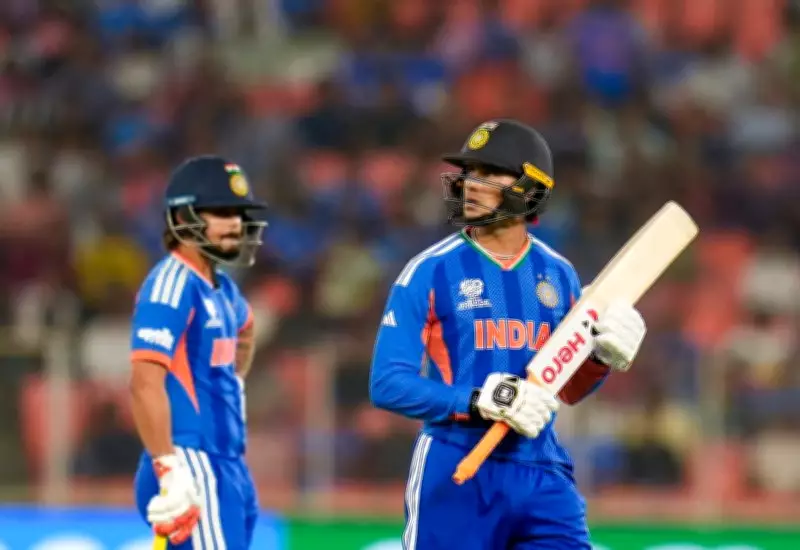
Abhishek Sharma has rapidly emerged as a key player for India in the shortest format of the game. Known for his aggressive stroke play and ability to dominate bowlers from the outset, he poses a significant challenge to any bowling attack. His performances in domestic and international T20 leagues have showcased a blend of power and precision, making him a player that opposition teams must strategize against meticulously.
In recent matches, Sharma has demonstrated a particular prowess against pace bowling, often taking advantage of the fielding restrictions in the powerplay overs. However, his record against spin, especially left-arm orthodox, has been a topic of analysis, with some suggesting a potential vulnerability that teams might look to exploit.

The South African Options: Markram vs Fortuin
South Africa, under the leadership of Aiden Markram, boasts a versatile bowling lineup. Markram himself is a part-time off-spinner who has occasionally been used in T20 cricket to break partnerships or contain aggressive batsmen. His experience and tactical acumen could make him a viable option to bowl against Abhishek Sharma, particularly if the match situation calls for a change of pace or a defensive maneuver.
On the other hand, Bjorn Fortuin, a specialist left-arm spinner, offers a more traditional approach. Fortuin has been effective in T20 cricket, often bowling in the middle overs to restrict scoring and take wickets. His ability to turn the ball away from the left-handed Abhishek Sharma could create challenges, potentially inducing false shots or building pressure through dot balls.
Key considerations for South Africa include:
- Match conditions: Pitch behavior and weather might influence whether spin or pace is more effective.
- Sharma's form: His recent performances will dictate the level of threat and the required response.
- Team balance: South Africa must weigh the impact of using Markram as a bowler against preserving his batting and leadership focus.
Broader Implications for T20 World Cup 2026
This debate highlights the strategic depth involved in modern T20 cricket, where match-ups and player-specific plans are crucial. As the 2026 T20 World Cup approaches, such discussions will become more frequent, with teams analyzing every potential opponent in detail. For South Africa, finding the right answer to the Abhishek Sharma question could be pivotal in their campaign, especially in high-stakes matches against India.
Moreover, this scenario underscores the importance of all-rounders like Markram, whose dual skills add flexibility to team strategies. It also emphasizes the value of specialist bowlers like Fortuin, who can target specific weaknesses in the opposition lineup. Ultimately, South Africa's decision will reflect their overall game plan and confidence in their players' abilities to execute under pressure.
As fans and analysts speculate, one thing is clear: the T20 World Cup 2026 promises to be a tournament rich in tactical battles, with the Abhishek Sharma vs South Africa bowling dilemma serving as an early example of the intricate planning that defines elite cricket.