The ongoing Ashes series has been plunged into a fresh technology controversy, with the reliability of the Snickometer coming under fierce scrutiny during the third Test. The debate, which began on Day 1, intensified on Day 2, prompting Australian fast bowler Mitchell Starc to deliver a scathing verdict, branding the audio-detection tool as "the worst technology ever".
Day 1: The Alex Carey Reprieve That Started It All
The seeds of the controversy were sown on the opening day when England appealed for a caught behind against Australian wicketkeeper Alex Carey. Despite a visible spike on the Snickometer audio graph, third umpire Chris Gaffaney ruled that the noise occurred "before the bat" and that the ball had passed underneath it, declaring Carey not out. The batter capitalised on the lifeline, going on to score a maiden Ashes century, a decision that proved costly for England.
In a revealing post-play admission, Carey himself said he heard "a bit of a feather or noise" but chose not to walk, citing the unclear Snicko evidence. Adding a significant twist, BBG Sports founder Warren Brennan later acknowledged that an incorrect stump microphone may have been selected during Carey's review, with the company taking full responsibility for the error.
Day 2 Flashpoints: Jamie Smith's Rollercoaster
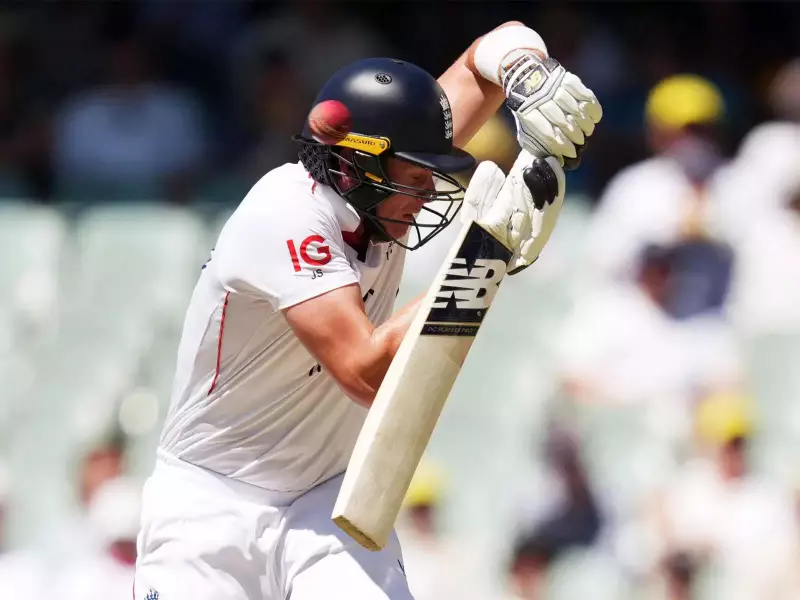
The Snickometer debate reached a boiling point on the second day, with England's Jamie Smith at the heart of two pivotal and confusing moments. In the 44th over, a delivery from Pat Cummins appeared to flick Smith's glove on its way to slip. Unsure about the clean catch, the fielder referred it to the umpires.
Replays showed Smith's glove moving as the ball passed, but crucially, Snicko failed to register any spike. The third umpire concluded the ball had missed the glove and deflected off the helmet, giving Smith a reprieve. It was at this juncture that Starc's frustration erupted, with stump mics capturing his furious critique of the technology.
Starc's Fury and Swift Karma for Smith
Mitchell Starc's blunt assessment, "Snicko needs to be sacked. It's the worst technology ever," echoed the growing confusion on the field. Ironically, just two overs later, the same technology worked against Smith. Attempting a pull shot off Cummins, Smith was caught behind. Although the audio spike on Snicko appeared a frame after the ball passed the bat, it was deemed sufficient evidence to overturn the on-field decision and give him out.
This sequence of events, where the tool seemingly failed in one instance and succeeded in another within a short span, has raised serious questions about its consistency and interpretation. The incidents have ignited a fierce debate among players, pundits, and fans about the role and accuracy of the Snickometer in the Decision Review System (DRS).
The storm shows no signs of abating, casting a long shadow over the match and prompting calls for a thorough review of how audio evidence is calibrated and used in making critical umpiring decisions in high-stakes cricket.