The Mohammed Shami Conundrum: Age, Fitness, or Communication Breakdown?
As the 2026 T20 World Cup and 2027 ODI World Cup approach, a pressing question looms over Indian cricket: is a fast bowler nearing 36 and 37 respectively too great a risk for selectors to embrace? Mohammed Shami's recurring absence from the national squad has sparked intense debate, with theories ranging from strategic phasing-out to simple communication failures over fitness standards.
A Recurring Theme of Omission
Every time Shami's name is missing from team sheets, familiar questions resurface. Chief selector Ajit Agarkar once suggested fitness communication issues, an explanation Shami himself dismissed as not his concern. Yet the pattern persists, creating what has become a recurring theme in Indian cricket circles.
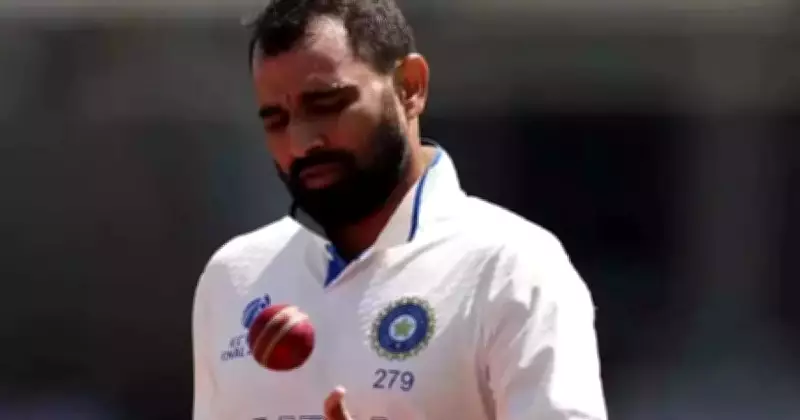
Everyone recognizes Shami's distinctive qualities: the rasping seam presentation, the deceptive wobble that refuses to settle, and his proven ability to deliver monumental performances at major tournaments. His track record of leaving big events with even bigger hauls is well-documented, making his continued absence increasingly perplexing.

The Selectors' Dilemma: Youth vs. Pedigree
Indian selectors face a legitimate dilemma. They are understandably cautious about building World Cup campaigns around two elite but injury-prone fast bowlers in their thirties—Shami and Jasprit Bumrah. With domestic pace resources appearing thin, the natural inclination leans toward investing early in younger, more durable bodies.
However, what proves difficult to justify is overlooking proven pedigree. Shami stands as India's highest wicket-taker in ODI World Cup history with 55 wickets at a remarkable average of 13.5 across 18 matches. His recent domestic performances only strengthen his case for consideration.
Compelling Domestic Numbers
Shami's domestic campaign presents compelling evidence of his ongoing capabilities:
- In four Ranji Trophy matches for Bengal, he bowled an average of 20 overs per innings while claiming 20 wickets at 18.6
- During the Syed Mushtaq Ali Trophy, he secured 16 wickets across seven games
- In the Vijay Hazare Trophy, he captured 11 wickets at 22.5 in five matches
- He played a pivotal role in India's 2025 Champions Trophy triumph, taking 9 wickets from 5 games
Despite these performances, Shami found himself omitted from the 2025-26 central contracts list, adding another layer to the mystery surrounding his exclusion.
Coaching Perspectives: Fire vs. Practicality
Badruddin Siddiqui, Shami's long-time coach, doesn't conceal his frustration. "There's fire in him," Siddiqui asserts. "He is serious about playing for India. I always tell him—perform karte raho: India will need you." For Siddiqui, the equation remains straightforward: a cricketer's responsibility is to perform, while selectors must make decisions based on that performance.
"Age should never be a consideration," Siddiqui emphasizes. "Fitness, performance and fire: that's what matters." He argues that domestic cricket achievements are too easily dismissed, noting that "bowling 25 overs in a day is not easy" and maintaining that "there is no bowler who can replace him. There is a lot left in him."
A More Nuanced Viewpoint
Former Delhi pacer Sanjeev Sharma offers a more balanced perspective. "There's a lot of difference between domestic and international cricket," he observes. "Even a T20 international takes a lot out of you: in terms of fielding, bending and chasing. There is no place to hide in international cricket."
Sharma suggests that "perhaps, Shami is not yet at the exact match-fitness level the selectors want him to be" and acknowledges that communication may have faltered. However, he remains unequivocal about Shami's abilities: "Skill-wise, he is your second-best fast bowler after Bumrah. There's no doubt in my mind that Shami will return."
Intensifying Competition and Unwavering Confidence
The landscape around Shami has grown increasingly competitive. Arshdeep Singh brings left-arm angles, Mohammed Siraj offers remarkable stamina, and Harshit Rana continues his development. Yet competition alone cannot erase class and proven performance.

"Performs speaks for itself," Siddiqui reiterates, adding with conviction: "Bilkul wapas aayega: he will be back." This sentiment echoes through cricket circles as observers await the next chapter in Shami's international career.
The Mohammed Shami situation represents more than just selection decisions—it reflects broader questions about how cricket nations manage aging champions, balance present needs with future planning, and communicate expectations between players and administrators. As World Cups approach, these questions will only grow more urgent.