Supreme Court Stresses Need for Former Players in Cricket Administration
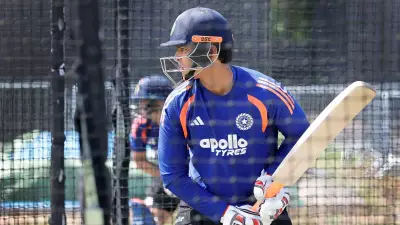
The Supreme Court of India has made a significant observation regarding the management of cricket bodies in the country. During a recent hearing, the bench emphasized that individuals who lack basic cricket knowledge, specifically those who "don't know how to hold a bat," should not be entrusted with managing cricket associations.
Court Refuses to Interfere with Bombay High Court Order
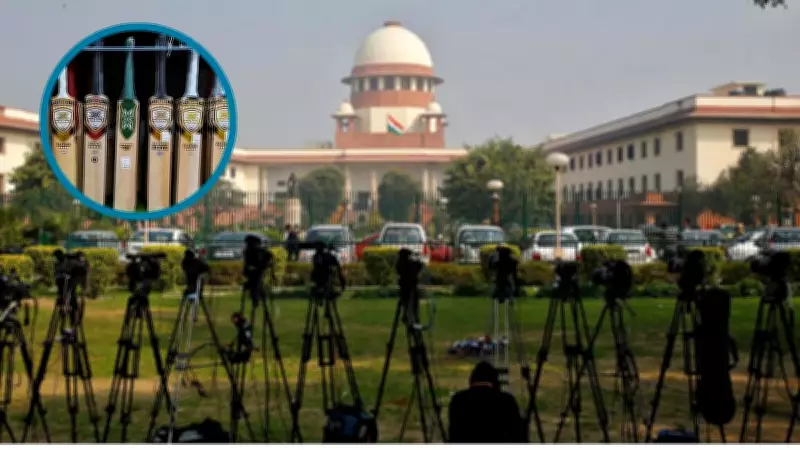
The apex court bench declined to modify an order from the Bombay High Court that had put a stay on the Maharashtra Cricket Association (MCA) elections. These elections were originally scheduled to take place on January 6, 2026, but were halted due to serious allegations of nepotism and favouritism within the association's electoral process.
By refusing to tinker with the High Court's decision, the Supreme Court has effectively upheld the concerns raised about the integrity of the MCA's governance structure. This move underscores the judiciary's commitment to ensuring transparency and meritocracy in sports administration.

Emphasis on Expertise from Former Cricketers
In its remarks, the Supreme Court bench strongly advocated for the involvement of former players in the management of cricket bodies. The court suggested that individuals with firsthand experience in the sport are better equipped to understand its nuances and make informed decisions that benefit the game's development.
This stance aligns with broader discussions in Indian cricket about the need for professional management and the reduction of political or non-technical influence in sports organizations. The court's comments highlight a growing recognition that cricket administration requires specialized knowledge, much like the sport itself.
Background on the MCA Election Controversy
The Maharashtra Cricket Association, one of the prominent state cricket bodies in India, found itself embroiled in controversy as allegations of unfair practices surfaced ahead of its scheduled elections. The Bombay High Court's intervention to stay the elections was based on petitions that pointed to potential malpractices, including nepotism and favouritism in candidate selection and voting processes.
With the Supreme Court now backing this decision, the MCA will need to address these allegations thoroughly before proceeding with any electoral activities. This case serves as a precedent for other cricket associations across India, reminding them of the importance of clean and transparent governance.
Implications for Cricket Governance in India
The Supreme Court's observation is not just a passing comment but a pointed directive that could influence future policies in sports administration. By stressing that former players should manage cricket bodies, the court is pushing for a paradigm shift where expertise and experience take precedence over other considerations.
This development comes at a time when Indian cricket is under constant scrutiny for its administrative practices. It reinforces the idea that cricket, being a sport of national importance, deserves management by those who truly understand its spirit and technical demands.
As the legal proceedings continue, stakeholders in Indian cricket will be watching closely to see how this principle is implemented in practice, potentially leading to more former cricketers taking up leadership roles in various cricket associations nationwide.