Sanju Samson's Cricket Journey Rooted in Coastal Resilience
For Sanju Samson, the rhythms of cricket have always carried a profound echo of the sea. Long before he became a prominent name in Indian cricket, the core principles that define his approach to success and failure were forged far from the glare of stadium lights—in the humble fishing hamlet of Vizhinjam, nestled on Kerala's southern coast.
There, amidst the daily rituals of boats setting sail and the unpredictable moods of the Arabian Sea, Sanju absorbed invaluable lessons in grit and perseverance. These lessons would later serve as a guiding force through the uncertainties and challenges of professional sports.
The Influence of Grandfather Anthonis
At the heart of these formative experiences was his maternal grandfather, Anthonis, a fisherman whose entire existence revolved around the ocean. Sanju, who lived in close proximity to Anthonis, observed him and fellow fishermen push their boats into the water before dawn each day. Some days, the nets returned brimming with fish; on others, they came back nearly empty. Yet, without fail, the boats would head out again the following morning.

This relentless cycle of hope, disappointment, and persistence left an indelible mark on the young boy. "You can't control the sea," Sanju has often recalled his grandfather saying. "You can only control how prepared you are when you go out. Some days you come back with nothing, but you still wake up the next morning and go again." Years later, as Sanju navigated the peaks and valleys of international cricket, these words would resonate with striking clarity.
Anthonis was not a man of extravagant gestures. A life at sea had hardened him, teaching him to confront storms and setbacks without complaint. He did not indulge his grandson with gifts or cricket equipment. Instead, he imparted something far more enduring: resilience, humility, and the ability to remain grounded, irrespective of success or failure.
Early Career Challenges and Family Support
These values became particularly significant during the nascent stages of Sanju's cricket career. Like many aspiring cricketers striving to establish themselves, he encountered a mix of promise and disappointment—perhaps a brilliant innings followed by a series of failures, or opportunities that seemed to slip away as quickly as they appeared.
Whenever the young batter felt disheartened, his grandfather offered a simple yet profound analogy. A poor score, he would explain, was akin to returning from the sea with empty nets. It happens. What truly matters is having the courage to go back out the next day. He reminded his grandson that even the greatest, such as legends like Sachin Tendulkar, experience failure at times.
Sanju was born on November 11, 1994, in Pulluvila, a coastal village near Vizhinjam in the Thiruvananthapuram district. This region has long been home to a vibrant fishing community, where daily life is intricately tied to the sea. Today, Vizhinjam is widely recognized for the massive Vizhinjam International Seaport project, transforming the once-quiet town into a major global shipping hub. However, during Samson's childhood, it remained a modest coastal settlement.
Sport was deeply embedded in the Samson household. His father, Samson Viswanath, served as a constable in the Delhi Police and had represented Delhi in the Santosh Trophy football tournament. A disciplined sportsman himself, Viswanath encouraged his son to pursue sports seriously. He noticed Sanju's early fascination with cricket and recalls addressing his son's doubts after returning from Delhi, emphasizing that talent is not confined by geography.
"Sanju wondered whether he could really pursue cricket seriously from here," he recalls. "I told him talent does not depend upon the city you live in. What matters is hard work and belief. If he continued to train sincerely, opportunities would come one day."

Relocation and Dedicated Training
Sanju spent part of his childhood in a police residential colony in North Delhi, where his father was posted. He attended Rosary Senior Secondary School and began training at cricket academies in the city. However, a significant setback—failing to secure a place in a Delhi age-group cricket team—prompted a life-altering decision. Convinced that his sons would have better opportunities in Kerala, his father took voluntary retirement and moved the family back to their home state.
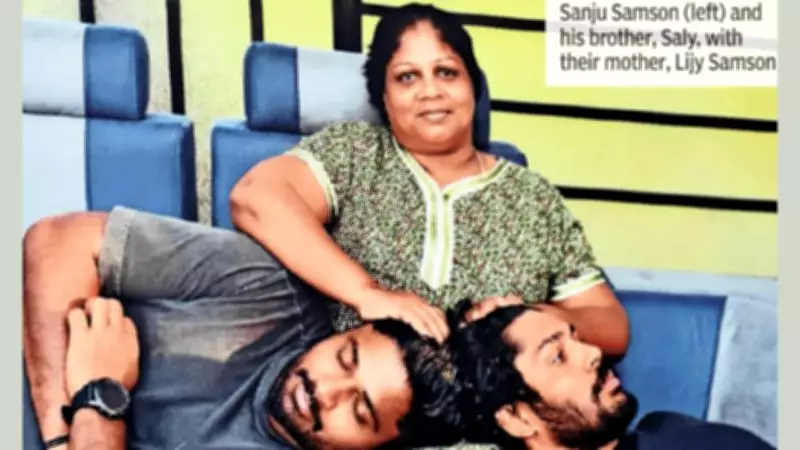
Sanju's mother, Lijy Samson, remembers those early days as a period marked by discipline and sacrifice. She notes that her son's routine revolved entirely around cricket. "Even as a teenager, he was very focused," she says. "He would wake up early for practice and come home tired after long training sessions. But he never complained because cricket was what he loved the most."
Back in Thiruvananthapuram, Sanju resumed his training with renewed determination. Much of his practice occurred at the Medical College ground, one of the few venues in the city offering proper nets and coaching. Structured sessions were complemented by informal practice at the local ground near his house in Vizhinjam, where he spent hours batting against friends and local bowlers, often continuing until sunset.
Community Support and Local Pride
Among those who closely monitored his progress was Renil Arul Das, secretary and co-founder of Lords Sports Club at Thennoorkonam near Vizhinjam. Renil recalls that even as a teenager, Sanju exhibited remarkable dedication. "He had extraordinary timing with the bat," Renil says. "But more than that, he had a hunger to keep practising. He would bat for hours and ask bowlers to continue even after others had finished their sessions." Renil adds that local club members often encouraged the youngster by organizing matches and providing opportunities to play against stronger opponents, with many believing he possessed something special.
The narrow roads and small tea shops of Vizhinjam bore witness to Sanju's evolution from a neighbourhood cricketer to a rising star. Locals remember seeing him ride past with his kit bag en route to practice. Autorickshaw driver Santhosh Kumar expresses that the community takes immense pride in the success of the boy who once practised in their neighbourhood grounds. "Even today, he is the same humble person," Santhosh says. "Whenever he comes home, he greets everyone and speaks kindly. Fame has not changed him."
Another local driver, Manoj K, notes that Sanju's achievements are celebrated collectively. "Whenever he scores big, many of us gather to watch the match," he says. "It feels like someone from our own family is playing." Manoharan S, another autorickshaw driver, observes that Sanju remains grounded despite his growing popularity: "He speaks to everyone with the same simplicity he had as a young boy."
Coaching and Character Development
One of the coaches instrumental in shaping Sanju's early career in Thiruvananthapuram was Biju George. George remembers the teenager as a player who blended natural flair with a keen eagerness to learn during training at the Medical College ground. "Sanju had tremendous talent," he says. "But what impressed me more was his willingness to listen and improve." According to George, Sanju's dedication, hard work, and punctuality in training set him apart from many other young players. "He had both the talent and patience to work hard every day. He sacrificed a lot, and thoroughly deserves this stature," George adds.
For the fishermen along the Vizhinjam coast, Sanju's rise represents a source of pride that transcends cricket. Local fisherman Varghese T recalls watching the youngster practise years before he gained fame. "He was always respectful to elders," Varghese says. "Even now, he smiles and talks to everyone. That is why people here feel so close to him."
Contrast with S Sreesanth and Lasting Legacy
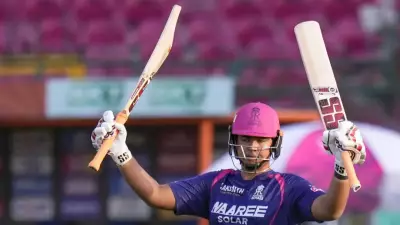
Even today, as Sanju performs before packed stadiums and global television audiences, the lessons of Vizhinjam remain deeply ingrained. In many respects, cricket mirrors the sea he grew up around—unpredictable, unforgiving, and beyond control. Like the fishermen he once observed from the shore, he has learned that the only recourse is to prepare diligently, venture out, and persist in trying again.
This temperament also distinguishes him from another cricketer hailing from Kerala—S Sreesanth. Both emerged from the same state but exhibited markedly different attitudes. Sreesanth was renowned for his emotional and expressive personality, with celebrations, sledging, and animated appeals making him one of Indian cricket's most colourful and temperamental figures.
In contrast, Sanju's personality is notably restrained. He is calm, composed, and understated, rarely displaying anger or overt emotion during matches. His leadership style is often likened to the quiet composure associated with M S Dhoni. While Sreesanth's career frequently reflected cricket's volatile drama, Sanju's journey has been characterized by patience and gradual growth—a temperament cultivated long ago on the shores of Vizhinjam, where fishermen understand that success is never assured, yet the sea must be faced anew each morning.