Former South African cricket legend Jonty Rhodes has shared his perspective on Bangladesh's controversial withdrawal from the 2026 ICC Men's T20 World Cup, emphasizing that politics and sports frequently intersect despite administrative efforts to keep them separate. Rhodes made these remarks during a promotional event for the upcoming tournament, drawing from his personal experiences during South Africa's apartheid era.
The Political Standoff Behind Bangladesh's Exit
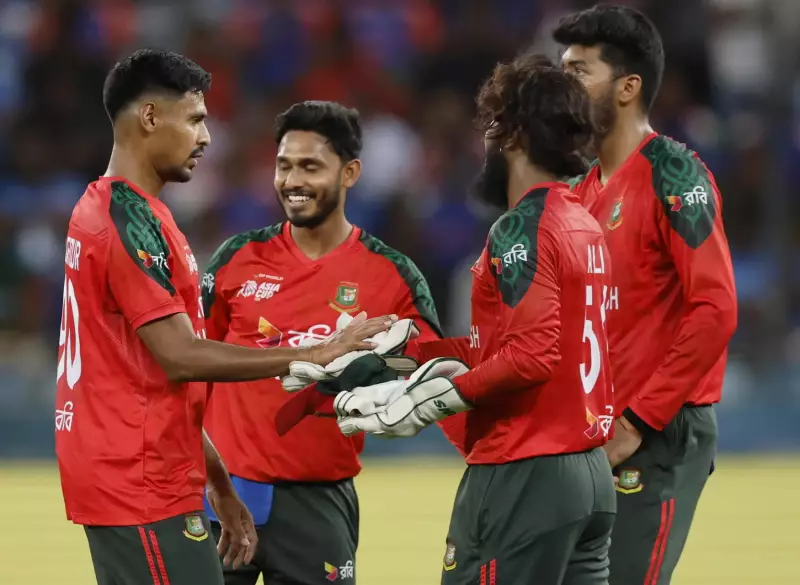
Bangladesh was replaced by Scotland after the Bangladesh Cricket Board declined to tour India for the tournament, citing security concerns as their primary reason. The T20 World Cup is scheduled to be co-hosted by India and Sri Lanka from February 7 to March 8, 2026. The BCB had requested that their matches be relocated to Sri Lanka, but the International Cricket Council rejected this proposal following weeks of consultations and independent security assessments that found no credible threats to the team's safety.
Rhodes' Reflections on Politics in Sports
"I mean, you always think, let's keep politics out of sport... but sadly, you can't separate politics from sport," Rhodes stated. He pointed to historical precedents, including South Africa's international isolation during his playing career, as evidence of how deeply politics can influence athletic competitions. His comments come amid ongoing debates about whether the ICC could have demonstrated more flexibility in handling Bangladesh's situation.

The ICC maintained that Bangladesh's removal followed an extensive procedural review. Over more than three weeks, the governing body conducted multiple meetings with BCB officials, both virtually and in person, while sharing comprehensive security and operational plans covering federal and state arrangements in India. Despite repeated assurances, Bangladesh did not reverse its position within the ICC's established deadline, leading to Scotland's confirmation as their replacement based on their ranking as the highest-qualified team outside the original qualification list.
Looking Ahead to the Expanded T20 World Cup
Rhodes also shifted focus to the tournament itself, praising the ICC's decision to expand the event to include 20 teams. "The T20 World Cup now has 20 teams. I think what the ICC is doing is fantastic, hosting a 20-team tournament," he remarked. Rhodes, who spends five months each year living in India, expressed excitement about the World Cup being hosted in what he considers his second home.
The Unpredictable Nature of T20 Cricket
Regarding tournament predictions, Rhodes highlighted the unpredictable dynamics of T20 cricket. "As for who might win, who might reach the semi-finals, it's very difficult to predict. In T20 cricket, one player can change the game in 10 minutes," he observed. This statement underscores the format's inherent volatility and excitement, where individual performances can dramatically alter match outcomes within brief periods.
The entire episode represents a tense and politically charged chapter in the lead-up to the global cricket event, demonstrating how international relations and sporting governance sometimes create complex challenges for athletes, administrators, and fans alike.